 blog
Top 7 Foods to Avoid After Dental Fillings in 2026
Last Updated: November 22, 2026
Quick Summary
The top foods to avoid after dental fillings are hard nuts and seeds, crunchy chips and popcorn, sticky candy and caramel, chewy meats and jerky, raw vegetables and hard fruits, ice cubes and hard crusts, and sugary or acidic drinks. Skip these for at least the first 24 to 48 hours to protect the new restoration.
- Skip hard nuts and seeds for at least 48 hours after a filling.
- Do not eat anything while your mouth is still numb from anesthetic.
- Wait at least 2 hours before drinking coffee after a filling.
- Brush the same day with a soft brush, but skip flossing against the filling for 24 hours.
- Call your dentist if a filling chips, feels loose, or sits high.
Table of Contents
- Top 7 Foods to Avoid After Getting Dental Fillings
- How Long to Wait to Eat After Composite Filling
- What to Eat After Cavity Filling: Safe Soft Foods
- How Long After a Filling Can I Drink Coffee?
- How Long After Filling Can I Brush My Teeth?
- When to Call Your Dentist: Chipped, Loose, or High Fillings
- Request an Appointment at Franklin Dental Center
- Frequently Asked Questions
Top 7 Foods to Avoid After Getting Dental Fillings
Knowing which foods to avoid after dental fillings is one of the simplest ways to protect a new restoration. The first 24 to 48 hours matter most: a fresh filling needs time to settle, and the wrong snack can crack it, pull it loose, or leave debris behind that feeds bacteria. Below are the top 7 foods to avoid after getting dental fillings in 2026, each with the specific reason it is on the list and what to eat instead.
1. Hard Nuts and Seeds
Almonds, peanuts, and sunflower seeds concentrate bite force on a single point. That pressure can chip the edge of a new filling or crack a tooth that is still numb and cannot signal pain. Skip them for at least 48 hours, and chew on the opposite side for a few days after that. Softer swaps: nut butter, hummus, or well-soaked oats.
2. Crunchy Chips and Popcorn
Popcorn kernels are the classic culprit, a single hard kernel can wedge between teeth and push against a filling. Chips shatter into sharp pieces that scratch and dislodge, and both leave food debris behind that feeds bacterial growth near the gumline. If you want something crunchy, try a soft cracker that dissolves quickly rather than shatters.
3. Sticky Candy and Caramel
Caramel, taffy, and gummy candy grab onto a filling and pull. That pulling force can loosen or dislodge a restoration before it has fully set, and sticky sweets coat teeth in sugar that feeds the bacteria behind tooth decay. This is especially important for composite fillings, which bond to the tooth but can be stressed by repeated pull. Choose sugar-free soft candy or a piece of soft fruit instead.
4. Chewy Meats and Jerky
Jerky and tough steak demand long, forceful chewing. That repeated bite pressure works against a fresh filling and can leave shreds of meat packed around the restoration. Cut meat into small pieces and chew slowly, or choose softer proteins like eggs, fish, and ground meat during the first two days.
5. Raw Vegetables and Hard Fruits
Raw carrots, apples, and celery are healthy, but they are tough on a new filling. A whole apple bite can crack a restoration, and celery fibers can wedge between teeth. Slice apples thin, cook carrots until soft, and save the crunchy salads for later in the week. Cooked or steamed vegetables give you the same nutrients without the bite force.
6. Ice Cubes and Hard Crusts
Chewing ice can crack a tooth or a filling, even a healthy one. Pizza crust and crusty bread carry the same risk because they combine hardness with a shape that can catch on a restoration. Let hot food cool, and never chew ice, no matter how small the pieces. If you crave crunch, choose a soft bread without a hard crust.
7. Sugary and Acidic Drinks
Soda, sports drinks, and citrus juices bathe teeth in sugar and acid. That combination softens enamel and feeds the bacteria that cause tooth decay, and it reaches areas around a new filling that brushing may miss. Water is the safest choice, especially while the numbness fades.
A note on material and location: composite fillings bond to the tooth and are generally ready for careful chewing sooner, while amalgam fillings harden over about 24 hours and need more caution on the treated side. A filling on a front tooth changes which foods are risky compared with one on a back molar.
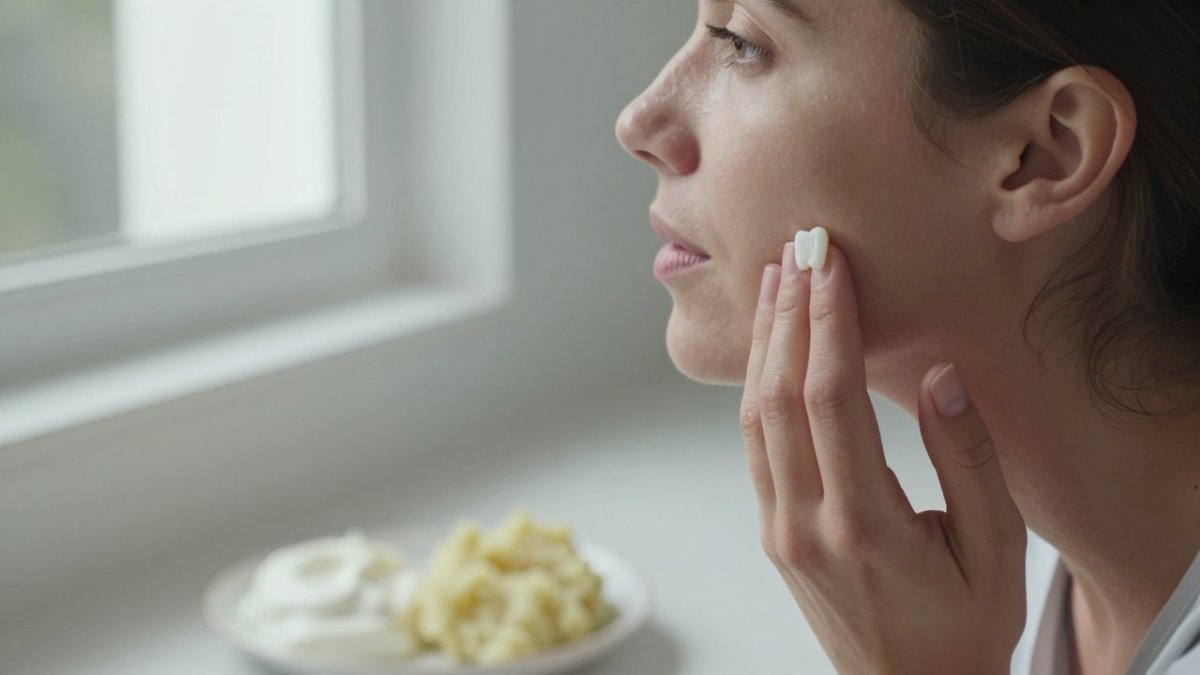
Here are the seven foods to skip after a filling, why each one is risky, and what to eat instead.
| Food to avoid | Why it is risky | Better swap |
|---|---|---|
| Hard nuts and seeds | Concentrate bite force; can chip filling | Nut butter, hummus, soaked oats |
| Crunchy chips and popcorn | Kernels wedge; sharp pieces dislodge filling | Soft cracker that dissolves quickly |
| Sticky candy and caramel | Pulling force can loosen restoration; sugar feeds bacteria | Sugar-free soft candy or soft fruit |
| Chewy meats and jerky | Long forceful chewing; shreds pack around filling | Eggs, fish, ground meat |
| Raw vegetables and hard fruits | Whole apple bite can crack restoration | Sliced apples, cooked or steamed vegetables |
| Ice cubes and hard crusts | Chewing ice can crack tooth or filling | Soft bread without a hard crust |
| Sugary and acidic drinks | Sugar and acid soften enamel and feed bacteria | Water, rinse with plain water after acidic drinks |
How Long to Wait to Eat After Composite Filling
Composite fillings are typically hardened with a curing light during the appointment. The wait is not about the filling setting, it is about your gum, your tooth, and the lingering numbness. A practical timeline looks like this:
- While you are still numb: Do not eat anything. This is the highest-risk window. Patients who chew before the anesthetic wears off can bite their cheek, tongue, or lip without feeling it. Wait until you can feel light touch on both sides of your mouth before your first bite.
- The first 2 hours: Skip food entirely and sip only water. If you must take a medication, take it with water and avoid chewing.
- Hours 2 through 24: Stick to soft, lukewarm foods and chew on the opposite side. The composite is hard, but the tooth around it is still settling and the gum at the injection site may be sore. Avoid very hot, very cold, sticky, and crunchy items during this window.
- The next day: Most people can return to normal eating on the treated side, but keep hard nuts, ice, and crusty bread off that tooth for another day or two if it feels tender.
Amalgam is different. Amalgam fillings can take time to fully harden, so patients are often advised to be cautious chewing on that side. Follow your dentist's instructions. Always follow the specific instructions your dentist gives you, material, filling depth, and the condition of the tooth all change the timeline, and a one-size-fits-all rule can be wrong for your case.
Watch out: numbness can last longer than you expect, especially after a lower-jaw injection. Test with a gentle tap on your lip before you trust yourself to chew.
What to Eat After Cavity Filling: Safe Soft Foods
Soft foods protect a new filling while you adjust to the numb feeling. Good options include:
- Yogurt, applesauce, and smoothies without seeds
- Scrambled eggs, mashed potatoes, and soft pasta
- Cottage cheese, soup, and mashed beans
- Bananas, canned fruit, and soft bread without crusts
- Well-cooked vegetables and flaky fish
Keep meals lukewarm for the first day. Hot foods can trigger tooth sensitivity while the nerve settles.
How Long After a Filling Can I Drink Coffee?
Wait at least 2 hours before drinking coffee after a filling, and longer if the tooth feels sensitive. Hot coffee can sting a freshly treated tooth, and the caffeine offers no benefit to healing. Skip very hot drinks for the first 24 hours, and avoid sugary coffee drinks entirely for a few days. If cold water makes you wince, that sensitivity usually fades within a week or two.
How Long After Filling Can I Brush My Teeth?
Brush your teeth the same day, but be gentle around the treated tooth. Use a soft-bristled brush and light pressure, and skip flossing right against a new filling for the first 24 hours. Gentle brushing keeps food debris and bacterial growth in check, which matters more than ever while the site heals. If the gum feels sore, rinse with warm salt water after meals.
When to Call Your Dentist: Chipped, Loose, or High Fillings
Call your dentist if a filling chips, feels loose, or sits higher than your other teeth. A high filling changes your bite and can cause jaw soreness within days. A loose filling lets bacteria slip underneath, which raises the risk of tooth decay. Contact the office right away if you notice:
- Sharp edges or a visible crack in the filling
- A filling that moves or falls out
- Pain when biting down that was not there before
- Sensitivity that gets worse instead of better
If a temporary restoration fails on a weekend, our guide on what to do if a temporary crown falls out on the weekend walks through the at-home steps. Wondering whether your symptoms point to a bigger problem? Read our overview of signs you need a restorative dental procedure, or browse the restorative dentistry services in Tyler we offer.
Request an Appointment at Franklin Dental Center
A new filling deserves a check-in. At Franklin Dental Center, Dr. Donna Franklin-Pitts and our team focus on gentle care and honest guidance. We treat patients of all ages, accept a variety of insurance plans including Medicaid and CHIP for kids, and offer flexible payment options. If a filling feels off, don't wait for it to get worse. Our guide to booking an emergency dental appointment in Tyler explains the fastest way to reach us, and our step-by-step walkthrough shows how to book a routine dental checkup in Tyler for follow-up care. Get started with Franklin Dental Center and protect your smile with care that puts your comfort first.
A cracked or loose filling rarely fixes itself, and the longer you wait, the more treatment it may need. Our team is ready to check it, explain your options, and help you feel at ease from the first phone call. Call Franklin Dental Center today to schedule a visit.
Frequently Asked Questions
Can I eat pizza after a filling?
Wait at least 24 hours before eating pizza, especially if you had a composite filling. The crust is hard and chewy, which can pull on a setting filling or irritate sensitive tissue. Once you do eat pizza, choose softer slices and chew on the opposite side of your mouth. If the filling feels high or painful when you bite down, stop eating and call your dentist for a quick adjustment.
What are the best foods to eat after a filling?
Stick to soft, cool, and mild foods for the first 24 hours: yogurt, applesauce, mashed potatoes, scrambled eggs, soup, and smoothies. These put little pressure on the filling and are easy on numb or sensitive gums. Avoid very hot temperatures until the numbness fades so you do not burn your mouth without noticing. After 48 hours, most people can return to a normal diet, but keep chewing on the opposite side if you feel any tenderness.
How long after a filling can I drink coffee?
Wait until the numbness has fully worn off before drinking coffee, and follow any timing your dentist gives you. Hot liquids can soften some filling materials and increase sensitivity in a freshly treated tooth. When you do drink coffee, let it cool slightly and use a straw to keep it away from the filling site. If you feel sharp pain or the filling feels loose afterward, contact your dentist.
How long after a filling can I brush my teeth?
You can usually brush gently after 24 hours, but avoid the treated tooth for the first day. Use a soft-bristled brush and light pressure so you do not disturb the filling while it sets. Skip flossing directly around the new filling for 48 hours unless your dentist says otherwise. If you notice bleeding, swelling, or the filling feels rough, call your dental office before resuming your normal routine.