 Listicle
Signs You Need a Restorative Dental Procedure
Last Updated: November 5, 2026
Quick Summary
Persistent tooth pain, pain when chewing, visible decay, and chipped or cracked teeth are signs you need a restorative dental procedure. Swelling, fever, or severe unrelenting pain require same-day care, while mild sensitivity or a small chip can wait for a routine exam.
- Pain on biting is a structural warning, not a random twinge.
- A crown is the standard repair when a tooth is too damaged for a filling.
- Missing teeth let neighbors drift, alter your bite, and make chewing harder.
- Swelling and fever together belong in the urgent category, not wait-and-see.
- A restorative evaluation includes history, visual exam, X-rays, and bite assessment.
Table of Contents
- Persistent Tooth Pain and Sensitivity That Won't Settle
- Tooth Pain When Chewing: What It Signals About Bite Function
- Visible Decay, Dark Spots, and Chipped or Worn Teeth
- Signs You Need a Dental Crown for a Cracked or Weakened Tooth
- Cracked or Broken Tooth Treatment: Your Options Explained
- Tooth Replacement Options for Missing Teeth and Failing Dental Work
- Warning Signs That Need Prompt Care and What Happens at Your Dental Exam
- Request an Appointment at Franklin Dental Center
- Frequently Asked Questions
Persistent Tooth Pain and Sensitivity That Won't Settle
A tooth that aches for days or stings when cold water hits it is telling you something a brushing habit cannot fix. Recognizing the signs you need a restorative dental procedure starts with pain that outlasts a few hours.
Restorative dentistry is the branch of dental care focused on repairing damaged tooth structure and replacing lost teeth, rather than just cleaning what remains. It covers fillings, crowns, bridges, implants, and root canal treatment.
Discomfort that lingers after a sip of hot coffee or a bite of ice cream, or a dull throb that wakes you at night, points to a problem beneath the enamel. The Cleveland Clinic overview of dental restorations groups decay and damaged teeth among the most common reasons people need this kind of care.
Tooth Pain When Chewing: What It Signals About Bite Function
Pain on biting is a structural warning, not a random twinge. When one tooth protests every time you chew, a dentist can help identify the cause and whether it needs care.
You may notice it as a sharp jolt when you bite down, or a dull ache afterward. Either way, chewing discomfort and difficulty chewing are classic signs you need a restorative dental procedure rather than a wait-and-see approach.
- Sharp pain on release of a bite: often a cracked tooth
- Constant ache while chewing: possible infection or failing filling
- Pain on one side only: a single damaged tooth changing how you bite
- Clicking or shifting: a loose restoration
Ignoring it changes how you chew, which strains the jaw joint and the teeth on the opposite side.
Visible Decay, Dark Spots, and Chipped or Worn Teeth
What you can see in the mirror often confirms what you feel. Dark spots, cavities, and tooth discoloration that will not brush away are visible evidence of decay. Chipped, cracked, worn, and broken teeth can weaken tooth structure over time.
If you are weighing how serious a change is, our guide on how to tell if you need a dental crown walks through the symptoms that point toward a crown rather than a simple filling.
Signs You Need a Dental Crown for a Cracked or Weakened Tooth
A crown is the standard repair when a tooth is too damaged for a filling but still worth saving. The signs you need a dental crown include a large crack, a tooth that has had multiple fillings, a weakened tooth after root canal treatment, or one that fractures under normal chewing.
A crown caps the tooth and restores its shape and bite. It also protects a tooth from splitting further. Left alone, a cracked tooth can worsen, and a dentist can advise on the options at each stage.
If a crown looks likely, our guide on how to prepare for dental crown treatment explains what to expect before, during, and after the appointment.
Cracked or Broken Tooth Treatment: Your Options Explained
A cracked or broken tooth needs a dentist's assessment. The right treatment depends on where the damage sits and how deep it runs, and a dentist can explain the options that fit your situation.
| Damage | Likely Treatment | What It Protects |
|---|---|---|
| Small chip | Filling or smoothing | Surface enamel |
| Crack through the crown | Dental crown | Tooth from splitting |
| Fracture into the nerve | Root canal plus crown | The tooth itself |
| Split below the gumline | Extraction | Surrounding bone and gum |
Tooth Replacement Options for Missing Teeth and Failing Dental Work
Missing teeth and failing dental work change more than your smile. Tooth loss lets neighboring teeth drift into the gap, alters your bite, and can make speaking and chewing harder. The right replacement depends less on which option sounds best and more on how many teeth are missing, where they sit, and how much bone you have left.
The three main paths, compared on the things that affect your decision:
- Dental bridges. A fixed bridge anchors a false tooth to the crowns on the teeth on either side of the gap. It is often considered when those neighboring teeth already need crowns. Visit count, healing, and longevity vary by patient, and a dentist can explain what to expect. The trade-off: the anchor teeth are reshaped, and the gap underneath the bridge needs extra cleaning.
- Dental implants. A titanium post replaces the root, and a crown sits on top after healing. Implants do not touch the neighboring teeth. The trade-off involves surgery, a healing period, and a commitment to good hygiene. Candidacy depends on individual factors, which a dentist can evaluate.
- Dentures. Removable dentures can replace multiple missing teeth. A partial denture fills a gap; a full denture replaces an entire arch. The trade-off involves fit, as bone changes over time and dentures may need adjustment or remaking.
When the problem is failing dental work rather than a missing tooth. A crown that rocks, a filling that has chipped or pulled away from the tooth, a bridge that traps food, or a restoration that feels high when you bite are all signs you need a restorative dental procedure to replace failing work before it damages the tooth underneath. Decay often creeps in under the margin of an old crown or filling, where you cannot see it.
How to think about cost and staging. Pricing depends on the tooth, the number of units, bone grafting needs, and other factors. For current pricing or a quote, please contact Franklin Dental Center directly. Ask for a written treatment plan and confirm which parts your insurance covers.
Maintenance is part of the decision. Bridges, crowns, implants, and dentures each need regular cleaning and check-ups, and a dentist can explain the care that fits your restoration. Whichever path you choose, the maintenance burden is a real part of the trade-off, not an afterthought.
You can review the restorative dentistry services we offer to learn more, and a dentist can tell you which options are appropriate for your mouth.
Warning Signs That Need Prompt Care and What Happens at Your Dental Exam
Most dental problems fall into two buckets: those that can be scheduled and those that need attention the same day. Knowing which bucket you are in is the single most useful triage decision you can make before you pick up the phone.
Call for same-day or urgent care when you notice:
- Facial or jaw swelling, especially swelling that is spreading toward the eye or down the neck
- A fever alongside tooth pain, or feeling generally unwell with a dental problem
- Severe, unrelenting pain that over-the-counter pain relievers do not touch
- A tooth knocked out, loosened, or pushed out of position after an injury
- Bleeding from the mouth that does not stop with firm pressure
- A broken tooth with a sharp edge that is cutting your tongue or cheek
- Pus, a bad taste, or a foul odor coming from around a tooth
Swelling and fever together are the pattern that matters most. A dental infection that spreads beyond the tooth can become a medical emergency, and the American Dental Association's guidance on dental emergencies is clear that facial swelling and fever belong in the urgent category, not the wait-and-see category. When in doubt, call and describe the symptoms; the front desk can tell you whether to come in now or book a routine slot.
What can usually wait for a routine appointment:
- Mild sensitivity to cold that passes within seconds
- A small chip with no pain
- A dark spot you noticed but that does not hurt
- A filling that feels slightly rough but is not loose
- Mild gum tenderness without swelling or fever
These still deserve an exam, but they are not emergencies. The distinction is not about how much the problem bothers you; it is about whether the problem is actively spreading.
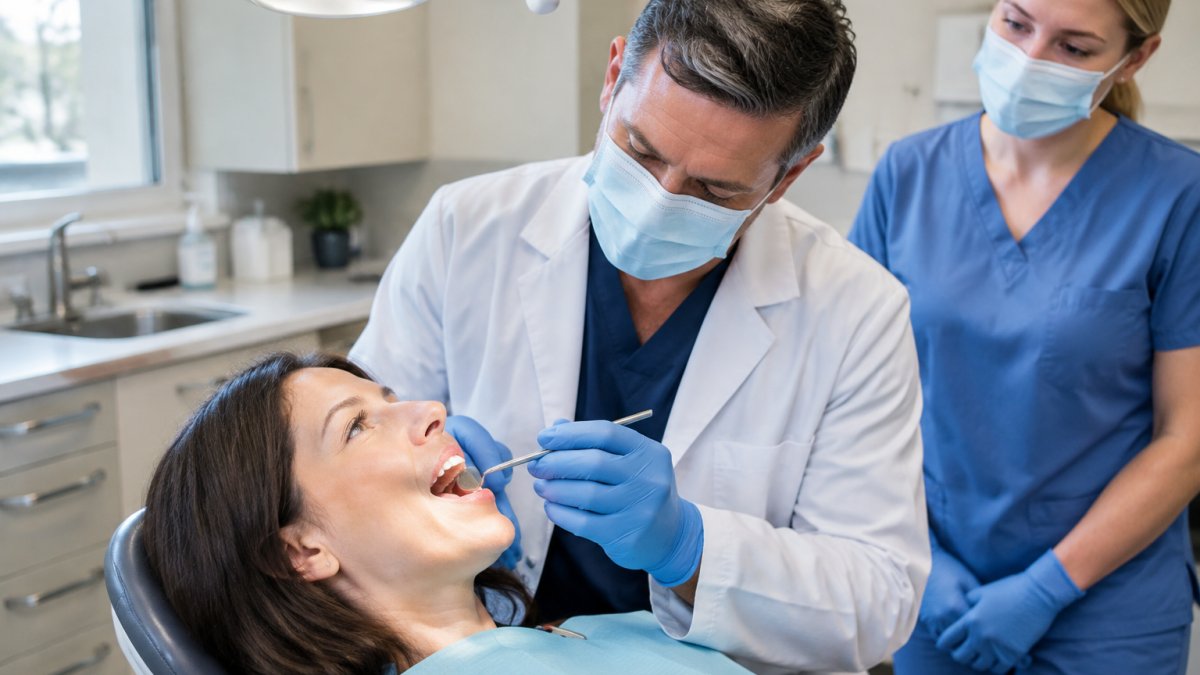
What typically happens at the exam. A restorative evaluation generally includes several steps:
- History and symptom interview. We ask when the pain started, whether it is sharp or dull, what triggers it (heat, cold, biting, sweets), and whether it wakes you at night. The pattern often narrows the cause before we ever look in your mouth.
- Visual examination. We check each tooth for cracks, decay, wear, and failing restorations, and we probe the gums for pockets and bleeding.
- Dental X-rays. Radiographs can help show areas the eye cannot see, and a dentist will advise whether they are needed.
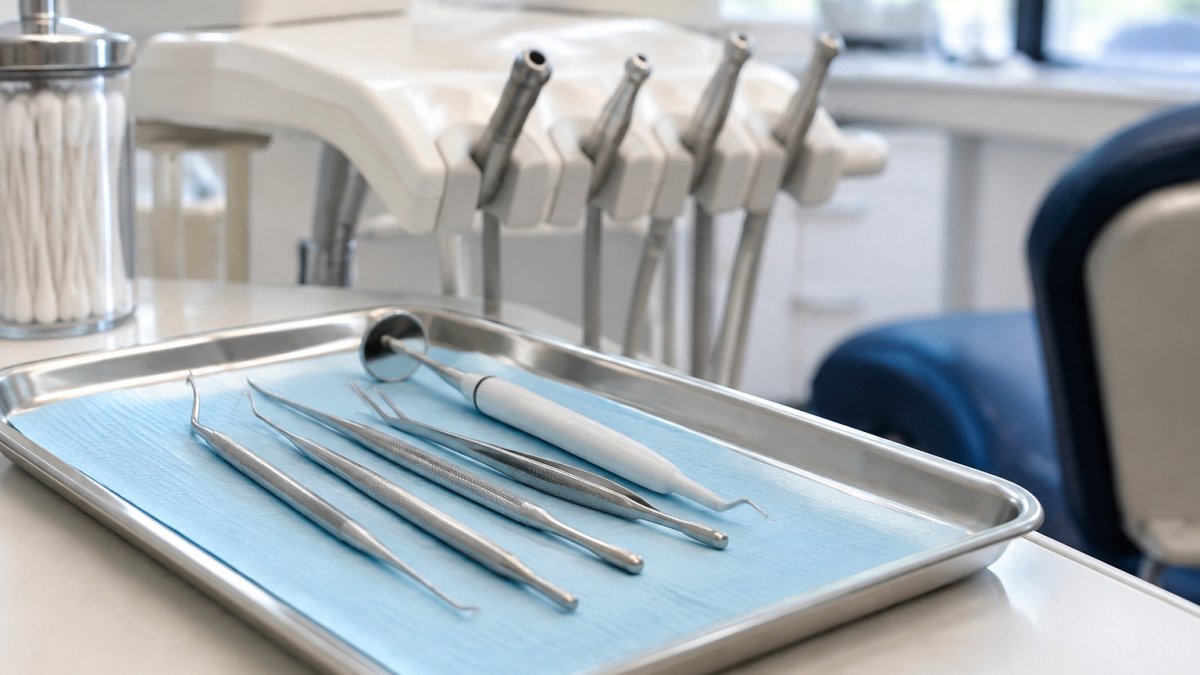
- Bite and restoration assessment. We check how your teeth meet, whether a filling or crown is loose or high, and whether a crack opens when you bite down on a particular cusp.
- Symptom-to-treatment mapping. From there we connect what we found to the likely options, a filling for a small cavity, a crown for a cracked or heavily restored tooth, root canal treatment when the nerve is involved, an extraction when the tooth cannot be saved, and explain the trade-offs in visits, recovery, and longevity. Only a dentist can diagnose, and the same symptom can point to more than one cause.
If swelling, fever, or severe pain is involved, contact a dental office promptly. For everything else, a routine exam is a good starting point. You can learn more about our appointments.
Request an Appointment at Franklin Dental Center
Franklin Dental Center provides comprehensive, personalized dental care for patients of all ages, led by Dr. Donna Franklin-Pitts. Our team focuses on building trusting relationships and gentle treatment, from routine checkups to restorative and cosmetic dentistry. If dental anxiety has kept you away, our patient-centered approach is built around your comfort.
We accept a variety of insurance plans, including Medicaid and CHIP for kids, and offer flexible payment options. One patient, Sheila B., noted that having multiple treatments performed at once saved her time. Another, Karen H., described Dr. Franklin-Pitts as having a calm and gentle touch.
You can book a routine dental checkup with us. Get started with Franklin Dental Center and protect your teeth before a small problem becomes a major repair.
Frequently Asked Questions
Is a restorative dental procedure painful?
Restorative dental procedures are often performed with local anesthesia, and a dentist can explain what to expect. Mild soreness afterward is common. If dental anxiety has kept you from booking care, tell the office before your visit. Franklin Dental Center focuses on a gentle, personalized approach and can discuss your comfort during a consultation.
Can a cracked or broken tooth be restored?
Many cracked or broken teeth can be repaired, but the right approach depends on how deep the damage goes and whether the pulp is involved. Small chips may need bonding or a filling, while a tooth with a larger crack often needs a crown. A dentist confirms the extent with a dental exam and dental X-rays. Seek prompt treatment for a cracked or broken tooth, especially with pain or sensitivity, so the tooth has the best chance of being saved.
How do I know if I need a filling, a crown, or a tooth replacement?
A filling usually repairs a small cavity in a tooth that still has enough healthy structure. A crown covers and protects a tooth that is cracked, worn, or heavily filled. When a tooth cannot be saved, tooth replacement options may be discussed with a dentist. Only a dentist can match your symptoms to the right treatment after examining the tooth and reviewing X-rays.
What should I do if I have a missing tooth or a loose restoration?
Book a dental exam rather than waiting. A missing tooth can let neighboring teeth shift and affect bite function, and a loose filling or crown can allow decay underneath. Before your visit, keep the area clean, avoid chewing on that side, and mention any gum swelling or bleeding gums. The dentist will check the restoration and explain whether repair or replacement is needed.