 How-to
How to Prepare for Dental Crown Treatment
Last Updated: October 29, 2026
Quick Summary
To prepare for a dental crown, confirm your appointment length, bring a written list of medications and questions, and arrange a ride home if you plan to use sedation. Eat a normal meal unless your dentist gives fasting instructions, and brush and floss before you arrive.
- Tell your dental team about every medication, including blood thinners, supplements, and anxiety medication.
- Many dental crown procedures take two visits, though some offices offer same-day crowns.
- Eat a light, normal meal before your visit unless your dentist gives other instructions.
- If a temporary crown comes loose, keep it, call your dentist the same day, and avoid chewing on that side.
- Ask your office for a written estimate before treatment, since crown costs vary by material and insurance coverage.
Table of Contents
- What to Do Before Your Dental Crown Appointment
- Dental Crown Procedure Steps: What Happens at Each Visit
- How Long Does Dental Crown Preparation Take?
- What to Eat Before a Dental Crown Appointment
- Questions to Ask Before Getting a Dental Crown
- Managing Anxiety, Pain, and Temporary Crown Troubleshooting
- Costs, Insurance, and Choosing Your Crown Material
- Request Your Crown Consultation at Franklin Dental Center
- Frequently Asked Questions
What to Do Before Your Dental Crown Appointment
Preparing for a dental crown starts well before you sit in the chair.
A dental crown is a custom cap that covers a damaged or weakened tooth to restore its shape, strength, and appearance.

Practical Preparation in the Days Before
The best preparation is boring and effective. Handle these basics first, and treat them as a checklist rather than suggestions:
- Confirm the appointment length, not just the time. Appointment length varies by visit type. Ask the front desk which type of visit you are booked for so you can plan work, childcare, and parking accordingly.
- Write your questions down and bring them on paper. A short list of three to six questions is easier to remember than trying to recall them while numb.
- Arrange a ride home if you plan to use sedation. Local anesthesia alone does not require a driver, but oral sedation or nitrous oxide combined with certain protocols may. Confirm the office's policy when you book, do not assume.
- Eat a normal meal unless your dentist tells you otherwise. If sedation is planned, follow the office's fasting instructions exactly; fasting guidance varies by medication and sedation type.
- Brush and floss before you arrive. You do not need to overthink it, but a clean mouth makes the appointment more comfortable for you and the team.
- Bring your insurance card, photo ID, and a current medication list. If you take blood thinners, supplements, or anxiety medication, a written list is faster and more accurate than reciting from memory.
Medication and Medical History Considerations
Tell your dental team about every medication you take, including blood thinners, supplements, and anything for anxiety. Bring a written list if that is easier.
Also share any allergies, heart conditions, pregnancy, or recent surgeries, so your dentist has the full picture.
A useful habit is to update your medication list at every visit, not just the first one. New prescriptions, changed doses, and over-the-counter supplements all belong on the list.
Dental Crown Procedure Steps: What Happens at Each Visit
Many dental crown procedures take two visits, though some offices offer same-day crowns. Ask your dentist what sequence applies to your case.
Examination, X-Rays, and Tooth Preparation
The first visit starts with a dental examination and dental X-rays. Your dentist checks the damaged tooth, the surrounding teeth, and your gum health. Digital imaging shows how much tooth structure remains and whether decay reaches below the gumline.
If a root canal is needed, it may happen before the crown. A dentist typically numbs the area with local anesthesia and reshapes the tooth so the crown can fit properly.
Impressions, Temporary Crowns, and Cementation
Next comes a dental impression or digital scan, which is used to build a crown that matches your bite and nearby teeth. A temporary crown is typically worn while the permanent one is made.
At a later visit, a dentist generally checks the fit and bite and bonds the crown with dental cement. This final step is called cementation, and mild tooth sensitivity commonly lasts a few days.
How Long Does Dental Crown Preparation Take?
Appointment length varies. Ask the office for the expected time for each visit before you book.
Several things affect the timeline:
- How much tooth damage needs removing
- Whether a root canal is required
- The number of crowns being placed
- Whether you choose a digital scan or traditional impression
Ask your dentist for a realistic estimate before you book time off work.
What to Eat Before a Dental Crown Appointment
Eat a light, normal meal before your visit unless your dentist gives other instructions. Avoid a heavy meal right before sedation, and skip very sticky or hard foods that could lodge near the tooth being treated.
Good choices include:
- Eggs, yogurt, or oatmeal
- Soft fruit like bananas
- Toast or a sandwich
- Plenty of water
If you are having sedation, follow the fasting guidance your office provides exactly. That is one instruction you should never guess at.
Questions to Ask Before Getting a Dental Crown
Bring a short list. The right questions protect your time, your budget, and your peace of mind. Ask these before treatment begins:
- Why do I need a crown instead of a filling?
- How many visits will this take?
- Which crown material do you recommend for this tooth, and why?
- Will my insurance cover part of this, and what will I owe?
- What should I do if the temporary crown comes loose?
- What signs after treatment mean I should call you?
A dentist who welcomes these questions is a dentist worth keeping.
Managing Anxiety, Pain, and Temporary Crown Troubleshooting
Dental anxiety is common, and it is nothing to be embarrassed about. The most useful thing you can do is tell your dental team how you feel before the appointment, ideally when you book, so the office can schedule extra time and plan accommodations. Some dental offices can adjust pacing, explain each step, offer breaks, and use a stop signal so you can pause treatment.
Talking to Your Dentist About Anxiety and Accommodations
If you have had painful visits before, say so early. Specific requests are easier for an office to honor than general nervousness. Useful things to ask about:
- Anesthesia options. Local anesthesia is standard. Some offices offer nitrous oxide (laughing gas) or oral sedation for longer or more involved visits. Ask which options are available, who administers them, and whether you need a driver afterward.
- Gag reflex. If impressions or scans trigger your gag reflex, tell the team. They can use a smaller tray, a digital scanner instead of a traditional impression, a topical numbing spray, or a seated-upright position to reduce the trigger.
- Sensory accommodations. Noise-canceling headphones, sunglasses for the overhead light, a weighted blanket, or a scheduled break can make a real difference. Ask; most offices have something on hand.
- Communication style. Tell the team whether you want a step-by-step narration or prefer to be distracted. Both are valid, and the team can adjust.
Pain Control Before, During, and After
Local anesthesia is commonly used for crown procedures. If you have had anesthesia wear off early or needed more than usual in the past, tell your dentist before treatment begins.
Mild soreness and sensitivity after the appointment are normal and usually settle within a few days. Over-the-counter pain relievers are commonly used; ask your dentist which one is appropriate for you, especially if you take other medications or have health conditions.
Temporary Crown Troubleshooting
Temporary crown problems are the most common hiccup between visits.
If the temporary crown feels loose or falls off:
- Keep it. If it comes off cleanly, save it and bring it to your appointment. Do not swallow it, if you cannot find it, tell the office.
- Call your dentist the same day. A loose temporary crown exposes the prepared tooth, which can become sensitive or shift. Most offices can see you quickly for a re-cement.
- Avoid chewing on that side until you are seen. Stick to soft foods and chew on the opposite side.
- Do not try to glue it back yourself. Household adhesives are not safe for the mouth and can damage the tooth or the temporary crown.
- If the tooth is sensitive, avoid very hot, cold, or sweet foods and drinks until the temporary is re-cemented.
If the temporary crown feels high or your bite feels off, call the office. A temporary that sits too high can make the tooth sore and affect how the permanent crown is fitted.
If you notice swelling, a bad taste, or pain that worsens rather than improves, contact the office promptly, these are not typical temporary-crown issues and may need to be checked.
If you are unsure whether you even need a crown, our guide on how to tell if you need a dental crown walks through the warning signs. And if anxiety is your main concern, these ways to manage dental anxiety for adults can help you prepare.
Costs, Insurance, and Choosing Your Crown Material
Crown costs vary by material, tooth location, and insurance coverage. If you are paying out of pocket, see dental checkup costs without insurance in Texas for context on what to expect. You can learn more about restorative dentistry services and crown options at Franklin Dental Center.
Crown materials generally fall into a few broad types:
| Material | Best For | Trade-Off |
|---|---|---|
| Porcelain or ceramic | Front teeth, natural look | Can wear opposing teeth |
| Metal alloy | Back teeth, durability | Visible color |
| Porcelain fused to metal | Strong plus natural look | Slight gumline show |
| Resin | Lower-cost option | Wears faster |
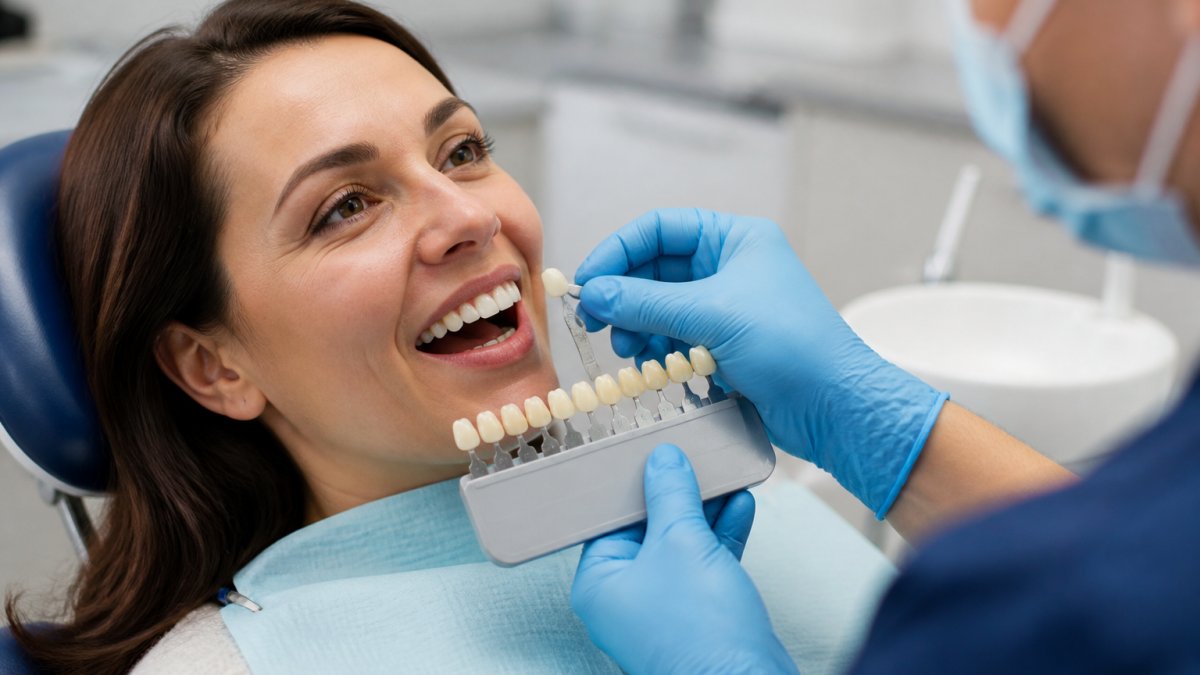
Shade matching keeps the crown close to your natural tooth color. Your dentist will compare shades under proper lighting before the impression is taken.
Request Your Crown Consultation at Franklin Dental Center
Knowing how to prepare for dental crown treatment turns a stressful unknown into a simple plan. The remaining step is choosing an office that explains each stage and respects your comfort.
At Franklin Dental Center, Dr. Donna Franklin-Pitts and our team focus on gentle, patient-centered care.
Before you commit, our checklist for picking a new dentist helps you compare offices on the details that matter.
Frequently Asked Questions
Can I eat before getting a dental crown?
Whether you can eat before a dental crown appointment depends on the type of anesthesia planned. Ask your dentist for guidance. If your dentist plans to use sedation, ask for specific fasting instructions, because those rules differ. Avoid very hard or sticky foods right before the visit so the tooth is not extra sensitive when the numbing takes effect.
How long does it take to get a crown back from the lab?
Lab turnaround time depends on the lab and the crown material. Ask your dentist for the expected timeline in your case. During that window you wear a temporary crown that protects the prepared tooth. Some practices offer same-day crowns milled in the office, which skip the wait entirely. Ask your dentist which workflow applies to your case so you can plan meals and work around the temporary crown.
What should I avoid after getting a temporary crown?
Avoid chewing sticky foods like gum or caramel on the treated side, since they can pull the temporary crown loose. Skip hard items such as ice, nuts, and crusty bread, and chew on the opposite side when you can. Floss carefully around the temporary rather than snapping it up and out. If the temporary crown falls off, keep it, call your dentist promptly, and use dental wax from a pharmacy as a short-term cover until you are seen.
What should I tell my dentist before crown treatment?
Tell your dentist about every medication you take, including blood thinners, and any allergies to metals or dental materials. Mention chronic conditions such as diabetes or heart conditions, and say plainly if you feel anxious about dental work so comfort options can be arranged. Bring your insurance details and ask what the treatment plan includes, how many visits it needs, and what the estimated out-of-pocket cost will be before work begins.
Ready to get started? Request your crown consultation at Franklin Dental Center and get a clear, gentle treatment plan built around your schedule and comfort.