 ultimate-guide
Best Ways to Manage Dental Anxiety for Adults
Table of Contents
- Understanding Dental Anxiety in Adults
- How to Calm Nerves Before a Dentist Appointment
- Breathing Exercises for Dental Anxiety
- What to Tell Your Dentist About Anxiety
- Sedation Dentistry for Anxious Patients
- Choosing a Compassionate, Anxiety-Aware Dentist
- Your Step-by-Step Plan for Appointment Day
- Overcoming Avoidance and Rebuilding Dental Health
- Frequently Asked Questions
Last Updated: October 12, 2026
Understanding Dental Anxiety in Adults
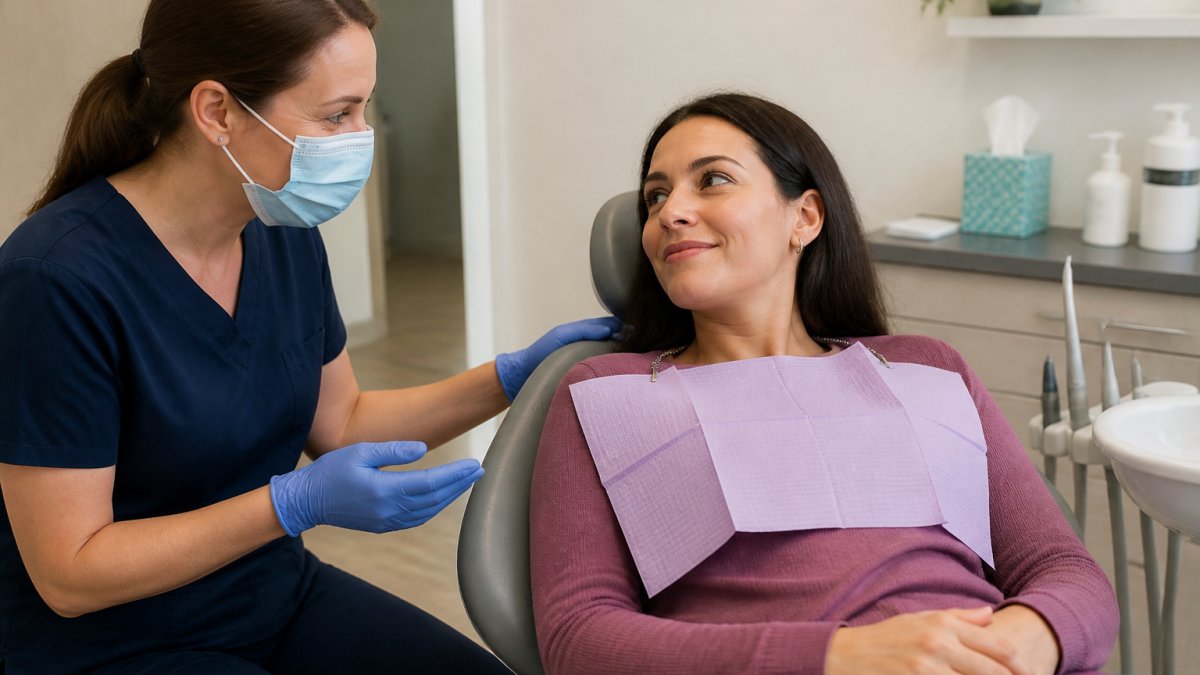
At Franklin Dental Center, we recognize that dental anxiety in adults often stems from past experiences, fear of losing control, worry about pain, or embarrassment about oral hygiene.
The consequences extend beyond missed appointments: plaque and tartar accumulate, gum disease progresses, and small cavities become major restorations. The longer someone avoids care, the more complex, costly, and frightening treatment becomes.
What dental anxiety is and how it affects adults
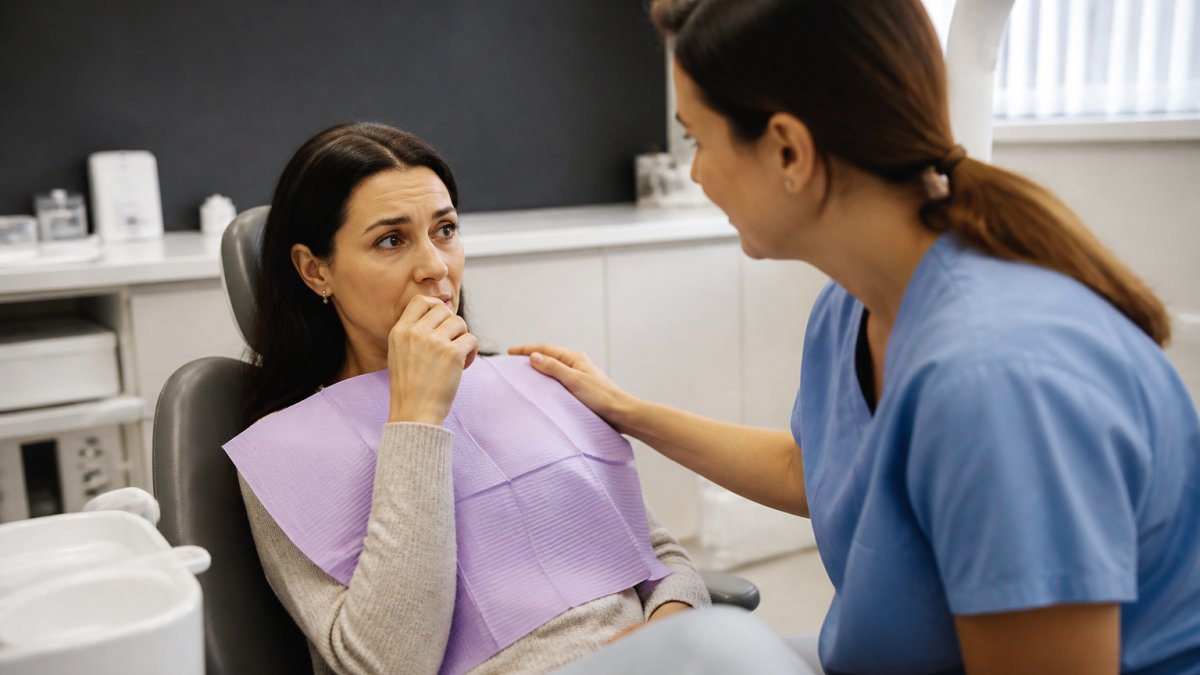
Dental anxiety is an emotional response characterized by fear, nervousness, or apprehension about dental treatment. It manifests physically: elevated heart rate, sweating, trembling, or difficulty breathing before or during appointments.
For many adults, this fear is rooted in past negative experiences: a painful filling without adequate numbing, a dismissive dentist, or a traumatic extraction.
The psychological impact matters as much as the physical symptoms.
Common causes and triggers of dental fear
Fear triggers vary, but several patterns emerge.
Pain concerns drive anxiety for many adults, even those who've never experienced dental pain.
Embarrassment about the state of your teeth also triggers avoidance. Adults who've neglected care for years often fear judgment from dental staff, a shame that can prevent the very appointments that would address the problem.
How to Calm Nerves Before a Dentist Appointment
The days leading up to an appointment set the tone.

Start by gathering information about your appointment: what procedure, how long it takes, and what you'll feel (pressure, vibration, water spray) versus pain.
Schedule strategically. Morning appointments often work better for anxious patients because you don't spend the whole day building dread. Avoid times when you're already stressed, and arrive early to settle into the waiting room.
Relaxation techniques and preparation strategies
Deep breathing is your most portable anxiety tool, so practice it days before your appointment, not just in the waiting room.
Progressive muscle relaxation releases the physical tension that accompanies anxiety.
Visualization is another evidence-based approach.
The night before, avoid excessive caffeine and alcohol, both of which heighten anxiety, and get adequate sleep.
Breathing Exercises for Dental Anxiety
Controlled breathing is one of the most effective anxiety management tools available, and it works instantly. Your nervous system responds to breathing patterns: rapid, shallow breathing signals danger, while slow, deep breathing signals safety.
Deep breathing and meditation methods
The 4-7-8 breathing technique is particularly effective for acute anxiety.
Box breathing works equally well. Breathe in for four counts, hold for four, exhale for four, hold for four.
Meditation doesn't require thirty minutes. Even two minutes of focused attention on your breath shifts your nervous system state.
Using distraction and comfort items during treatment
During your appointment, distraction serves a legitimate therapeutic purpose. Many offices allow headphones; choose calming music or a podcast engaging enough to hold your attention without increasing stress.
Some patients bring comfort items: a stress ball, a stuffed animal, or a blanket.
Hand signals matter too. Establish a signal with your dentist that means "I need a break," such as raising your left hand.
What to Tell Your Dentist About Anxiety
Open communication with your dentist is non-negotiable when you need to manage dental anxiety. Your dentist cannot accommodate needs they don't understand.
Open communication and establishing trust
Start by telling your dentist directly: "I experience dental anxiety." Don't minimize or apologize.
Discuss your past experiences.
Ask about the sensations you'll experience.
Establish a communication system beforehand, whether a hand-raise signal, blinks, or a specific sound. Knowing you can pause, even if you never need to, restores enough control to manage anxiety.
Asking questions and understanding procedures
Ask your dentist to explain each step before beginning: "I'll apply numbing gel, then inject the anesthetic. You'll feel pressure but no pain.
Request a timeline. "This filling should take about 15 minutes." Knowing the duration helps you prepare and reminds you that any discomfort is temporary. Uncertainty amplifies anxiety; specificity reduces it.
Sedation Dentistry for Anxious Patients
For some adults, anxiety is severe enough that behavioral strategies alone aren't sufficient. Sedation dentistry offers a bridge, allowing necessary treatment to proceed while anxiety is chemically managed.
Sedation options and what to expect
Nitrous oxide (laughing gas) is the mildest option. You remain conscious and can communicate but feel relaxed and slightly euphoric.
Oral sedation involves taking prescribed medication before your appointment.
IV sedation provides deeper relaxation while a dentist monitors your vital signs. You're awake but unlikely to remember the procedure.
General anesthesia is reserved for extremely anxious patients or extensive procedures. You're completely unconscious.
Safety considerations and practical preparation
All sedation carries some risk, but serious complications are rare with trained professionals.
On appointment day, follow pre-sedation instructions exactly, typically fasting for several hours beforehand.
After sedation, you may feel drowsy, dizzy, or unfocused for several hours. Don't operate machinery, make important decisions, or sign documents.
Sedation isn't a permanent solution; it addresses anxiety during the appointment but doesn't resolve the underlying fear.
Choosing a Compassionate, Anxiety-Aware Dentist
Your dentist's approach shapes your entire experience. A dentist skilled at managing anxiety makes the difference between dreading appointments and feeling genuinely cared for.
What to look for in a dental practice
Call prospective offices and ask directly: "Do you work with anxious patients?
Ask about their communication style: do they explain procedures in detail, pause to check in, and offer sedation options?
Look for reviews mentioning anxiety management.
Visit the office in person if possible. Is the waiting room calming or clinical? Are staff warm?
Building a trusting relationship with your care team
Trust develops through consistency and follow-through. When a dentist explains the procedure as promised, listens to your comfort concerns, and remembers details from previous visits, trust builds.
Request the same dentist for follow-ups when possible.
Ask your dentist about gradual exposure therapy: starting with simple, less anxiety-provoking procedures and building toward more complex ones.
Your Step-by-Step Plan for Appointment Day
The day of your appointment is when all your preparation comes together. A structured plan reduces decision fatigue and keeps anxiety from spiraling.
Before you arrive
Wake up with enough time to avoid rushing, which triggers the same stress response as anxiety.
Avoid caffeine for at least two hours before your appointment.
Review your breathing exercises one more time with a five-minute meditation or box breathing session.
Arrive 10-15 minutes early to settle into the waiting room without rushing, and use the extra time for breathing exercises or something engaging to read.
During your appointment
When you're called back, remind the staff about your anxiety rather than assuming they have notes from your call.
Before the dentist begins, confirm your communication signal, such as raising your hand for "I need a break." Knowing you have this control reduces anxiety significantly.
During the procedure, use your distraction strategy: music, breathing, or visualization.
Remember that pressure, vibration, and unusual sensations are not pain.
After your visit
Acknowledge your accomplishment. You did something that scared you, and that takes courage.
Avoid scheduling stressful activities immediately after your appointment. Give yourself time to decompress.
If you received sedation, rest for the remainder of the day: no driving, important decisions, or exercise.
Write down what went well, whether a breathing technique helped, the dentist's explanation reduced your fear, or distraction worked.
Overcoming Avoidance and Rebuilding Dental Health
The avoidance cycle is powerful: the longer you avoid the dentist, the more afraid you become, and the easier avoidance seems. Breaking it requires deliberate action, but it's absolutely possible.
Addressing the avoidance cycle
Avoidance provides temporary relief, which reinforces the behavior: you avoid the dentist, feel relieved, and your brain learns avoidance works.
The way out is through, not around.
Many anxious patients find the anticipation is worse than the actual appointment. Afterward, they realize it wasn't as bad as feared.
Gradual exposure and cognitive behavioral approaches
Cognitive behavioral therapy (CBT) addresses the thought patterns that fuel anxiety (Cognitive-Behavioral Treatments for Anxiety and Stress-Related Disorders).
Many anxious patients benefit from combining approaches: gradual exposure, behavioral strategies like breathing and distraction, CBT for catastrophic thoughts, and a compassionate dentist who supports all of it.
The goal isn't eliminating all nervousness; some people are naturally more anxious. It's managing anxiety well enough to get the dental care you need.
Managing dental anxiety for adults is entirely possible with the right combination of strategies, support, and professional care. We take time to explain procedures, listen to your concerns, and never rush you through treatment. The American Dental Association emphasizes that anxiety-informed care improves patient outcomes.
Frequently Asked Questions
How can adults manage dental anxiety?
Adults can manage dental anxiety through several evidence-based approaches: open communication with your dentist about your fears, breathing exercises and relaxation techniques before and during appointments, choosing a compassionate dentist who takes time to explain procedures, and considering sedation options if anxiety is severe. Building trust gradually with your dental team and addressing the root causes of your fear, whether past pain, loss of control, or embarrassment, are key steps toward long-term comfort with dental care.
What should I tell my dentist about dental anxiety?
Tell your dentist specifically what triggers your anxiety: past painful experiences, fear of pain, loss of control, embarrassment about your teeth, or fear of needles. Explain how anxiety affects you, whether you avoid appointments, hold tension, or have panic symptoms. Ask for a stop signal you can use if you need a break during treatment. Discuss your preferences for communication, such as whether you want detailed explanations beforehand or prefer less warning. This information helps your dentist tailor their approach to your needs and build trust.
Can breathing exercises help with dental anxiety?
Yes, breathing exercises are an effective tool for managing dental anxiety. Deep breathing activates your body's relaxation response and reduces physical tension. Techniques like the 4-4-4 method (inhale for 4 counts, hold for 4, exhale for 4) or lazy eight breathing can be practiced before your appointment and used during treatment. Pairing breathing exercises with other calming strategies, such as listening to music, visualization, or having a support person present, creates a comprehensive anxiety management plan that many adults find helpful.
What are sedation options for anxious dental patients?
Sedation dentistry offers several levels of sedation depending on your anxiety severity. Nitrous oxide (laughing gas) provides mild relaxation while keeping you awake and responsive. Oral sedation uses medication taken before your appointment for moderate sedation. IV sedation allows deeper relaxation for longer procedures. Your dentist will discuss which option is appropriate based on your health history, the type of treatment needed, and your anxiety level. Sedation requires preparation, such as fasting beforehand, and someone to drive you home afterward.
What can I do if I've avoided the dentist for years?
If you've avoided dental care, start by scheduling a consultation rather than a full treatment appointment. This gives you a chance to meet your dentist, discuss your fears, and ask questions without pressure. Be honest about how long it's been since your last visit. Your dentist may recommend starting with simple cleaning and examination to rebuild your comfort and trust. Addressing the avoidance cycle early prevents more serious dental problems from developing and makes future care easier. Gradual exposure to the dental environment helps reduce anxiety over time.
Can I ask my dentist to stop during treatment?
Yes, you can absolutely ask your dentist to stop or take breaks during treatment. Establish a stop signal, such as raising your hand or a specific gesture, before the procedure begins. Knowing you have control over the pace of treatment significantly reduces anxiety for many adults. Your dentist expects this request and can pause to let you rest, breathe, or discuss concerns. Regular breaks and maintaining a sense of control are important parts of managing dental anxiety and building confidence for future appointments.
How do I choose a dentist if I have dental anxiety?
Look for a dentist who listens without judgment, takes time to explain procedures, and respects your concerns about anxiety. Read reviews from other anxious patients, ask about their experience with anxious clients, and inquire whether they offer sedation options. Schedule a consultation first to assess their communication style and compassion. A good fit means feeling heard, trusted, and comfortable asking questions. Your dentist should be willing to go at your pace and accommodate your need for breaks, clear explanations, and support.