 How-to
Book a Routine Dental Checkup in Tyler: Step-by-Step
Table of Contents
- How to Book a Routine Dental Checkup in Tyler
- What Happens During a Dental Checkup
- Scheduling Your New Patient Dentist Appointment
- How Long Does a Dental Cleaning Take
- Understanding Dental Checkup Cost and Insurance
- Preparing for Your First Dental Visit
- What to Bring and Expect on Appointment Day
- Why Routine Checkups Matter for Long-Term Oral Health
- Frequently Asked Questions
Last Updated: October 16, 2026
How to Book a Routine Dental Checkup in Tyler
Book a routine dental checkup in Tyler is straightforward when you know what to expect and which dentist to choose. At Franklin Dental Center, booking is straightforward, whether you're a new or returning patient.
The first step is choosing a practice that fits your needs, a dentist who listens, explains options clearly, and prioritizes comfort. Dr.
Once you've chosen your dentist, booking is simple: request an appointment online, call the office, or walk in during available hours. Schedule a few weeks ahead for your preferred slot.
What Happens During a Dental Checkup
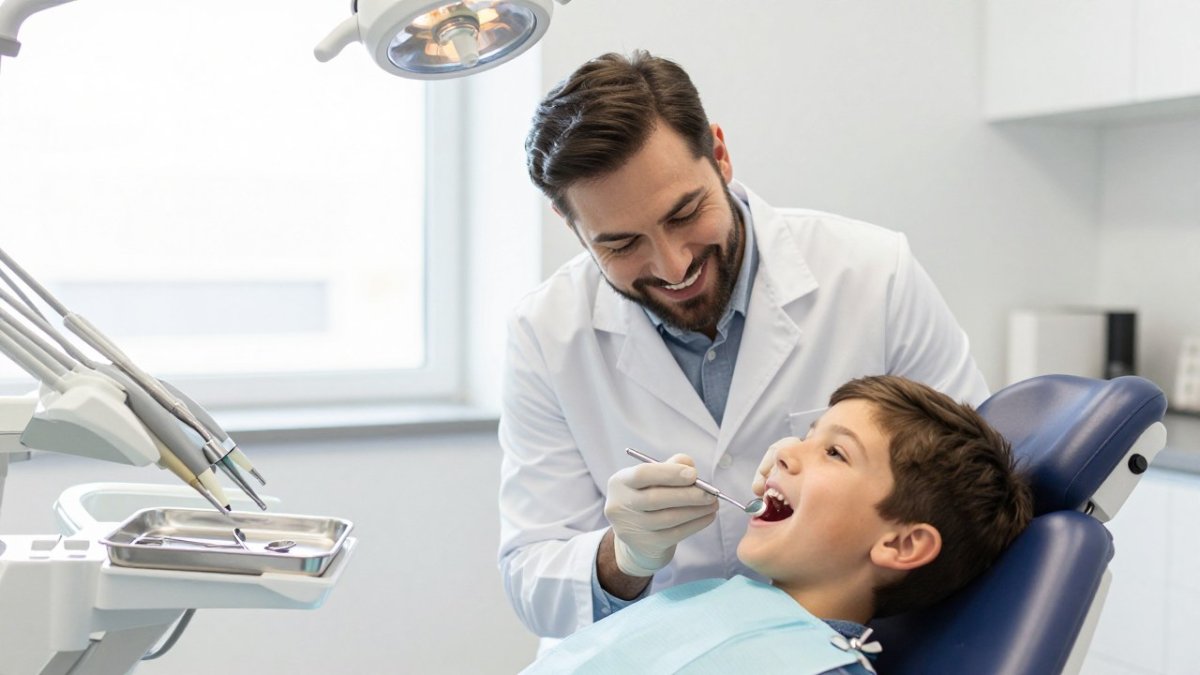
A routine dental exam assesses your oral health comprehensively. Your dentist examines your teeth and gums for decay, gum disease, or other concerns, a 15-20 minute inspection that forms the foundation of preventive care.
Dental X-rays are often part of a routine checkup.
Your dentist will also check your bite and jaw alignment, screen for oral cancer, and evaluate overall oral health. New patients get a more thorough exam including a complete health history, so your dentist can build a personalized treatment plan.
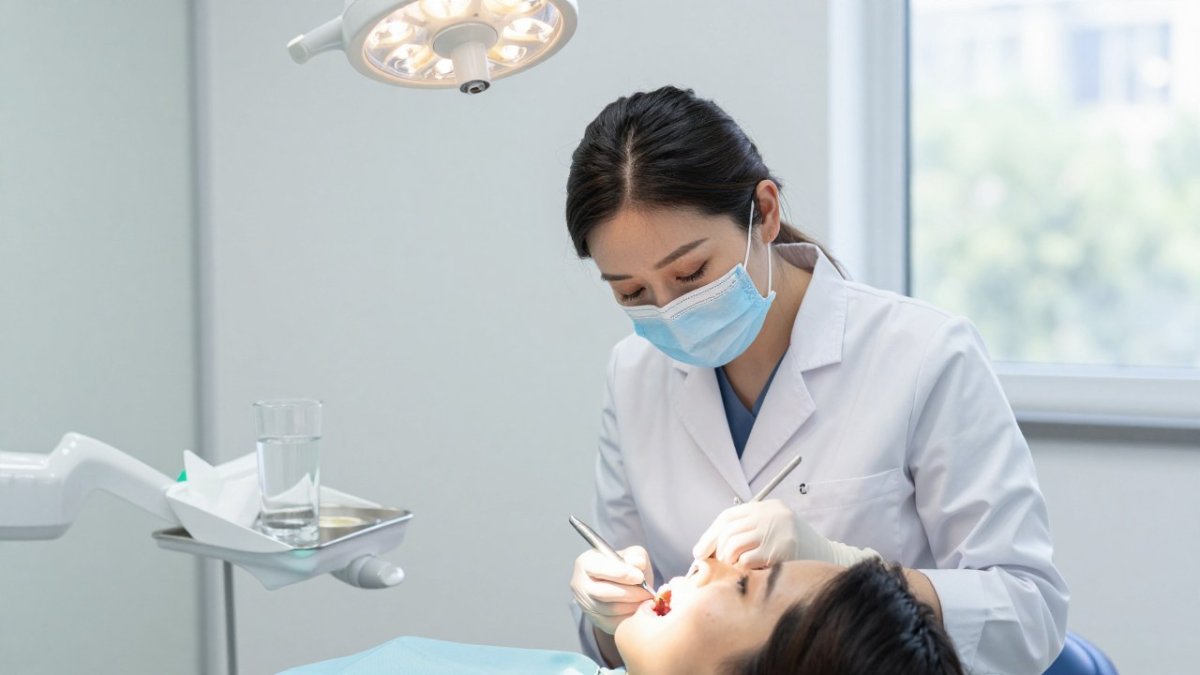
Professional teeth cleaning follows the examination. A hygienist removes tartar and plaque that brushing can't, preventing gum disease. They may also apply fluoride or sealants depending on your needs.
Scheduling Your New Patient Dentist Appointment
Online appointment requests
Franklin Dental Center offers online scheduling through its website.
Online forms ask for basic information: name, contact details, reason for the visit, and insurance if applicable. You'll get a confirmation email, and some offices send text or email reminders a day or two before.
Online scheduling suits those who prefer not to call or want to browse slots at their own pace. For specific needs or questions, calling directly may be faster.
Phone scheduling
Calling the office remains the most direct method. Staff can answer questions about new patient appointments, insurance, and what to bring, and can accommodate special requests like a specific time or a dentist experienced with anxious patients.
Have your insurance card handy if you have coverage, and be ready to share your health history and current medications. The receptionist will confirm your time and give directions.
How Long Does a Dental Cleaning Take
A routine dental cleaning typically lasts 30-60 minutes, depending on buildup and whether it's your first visit.
Cleaning has two stages. First, the hygienist uses a scaler to remove tartar above and below the gum line, necessary because tartar hardens and brushing can't remove it. Second, your teeth are polished with a mildly abrasive paste that removes surface stains.
A routine cleaning differs from deep cleaning, which addresses gum disease. Deep cleaning (scaling and root planing) takes 1-2 hours and may require local anesthesia; your dentist recommends it only if gum disease is present.
Understanding Dental Checkup Cost and Insurance
Cost is the question most people ask before they book, and it is the one most dental pages answer vaguely. Here is the practical version.
Typical out-of-pocket ranges
A routine checkup bundles the exam, cleaning, and any X-rays. Pricing depends on the specific services provided. These are ranges, not quotes, ask your chosen office for your specific number in writing before you book.
How insurance actually pays
Most dental plans are not one plan. They typically split into tiers, with coverage varying for preventive, basic, and major services.
That tiering is why a checkup can feel nearly free while the treatment it uncovers does not. Two details trip people up:
- The deductible may not apply to preventive care. Many plans waive it for exams and cleanings, so your visit is covered even if you have not met your deductible yet. Others apply it to everything. Confirm which yours is.
- Frequency limits are real. A very common limit is two cleanings and two exams per plan year, but plans vary. If you have gum disease or another condition, your dentist may document medical necessity to request additional visits, that requires a note to your insurer, not just a request at the front desk.
Questions to ask before you book
Call your insurer (the number is on your member card) and get answers to these, then confirm the same points with the dental office:
- Is this office in my network, and is the dentist a participating provider?
- What is my plan year, and how many cleanings and exams are left in it?
- Does my plan waive the deductible for preventive care?
- Is there an annual maximum, and how much of it have I used?
- Are X-rays covered, and how often?
- If the dentist recommends treatment, what will my share be?
Ask the office a second set of questions:
- What is the cost for an exam, cleaning, and X-rays if I pay without insurance?
- Do you offer an in-house membership or discount plan, and what does it include?
- Do you offer payment plans for larger treatment, and is there a financing partner?
- Do you accept Medicaid or CHIP, and are there age or plan restrictions?
If you are uninsured
You have realistic paths: pay directly (ask upfront), join an in-house membership plan bundling exams, cleanings, and a discount on other services for an annual fee, or use third-party financing for larger work.
What changes the price
The biggest variables: new vs. established patient, whether X-rays are due, routine vs. deep cleaning, and in or out of network. Deep cleaning is billed per quadrant and costs substantially more, and is usually recommended only when gum disease is present. If quoted a deep cleaning on a first visit, ask what clinical findings support it and whether a routine cleaning is an option first.
Preparing for Your First Dental Visit
A first visit goes better when you arrive with the right information and a short list of questions. Work through this checklist in the days before your appointment.
What to bring
- Photo ID, driver's license, state ID, or passport.
- Insurance card, the dental card specifically, plus your medical card if your plan combines them. If you are covered as a dependent, bring the policyholder's information too.
- A list of current medications, prescription, over-the-counter, and supplements, with dosages. This matters because some medications affect bleeding, dry mouth, and healing.
- Medical history details, conditions such as diabetes, heart conditions, pregnancy, or a history of joint replacement or certain heart procedures. Your dentist may need to coordinate with your physician or recommend antibiotics before treatment in specific cases.
- Prior dental records, if you have them, recent X-rays, a treatment history, or the name and phone number of your previous dentist. If you do not have them, the office can often request them for you with a signed release.
- A list of questions, see below.
Questions worth writing down
- What did you find today, and what does it mean for my teeth and gums?
- Are there any areas you want to watch rather than treat right now?
- What is the recommended schedule for my next checkup, and why?
- If treatment is recommended, what are the options, and what happens if I wait?
- What will my out-of-pocket cost be, and can I get that in writing?
- Is there anything I should change about my home care?
The day before and the morning of
Confirm your appointment time and the office address, especially at a new location. If you have dental anxiety, call ahead, many offices note it in your chart and schedule extra time or a gentler approach. Brush and floss as usual; don't skip a meal unless the office tells you otherwise.
What to expect when you arrive
Arrive 10 to 15 minutes early to complete new-patient paperwork. You'll review your medical history, and a staff member may take your blood pressure. If you have a heart condition, are pregnant, or take blood thinners, mention it at check-in so the clinical team knows before the exam begins.

During the visit
A first visit is longer than a return visit because it includes a comprehensive exam and often a full set of X-rays. The dentist reviews your health history, examines teeth, gums, bite, and soft tissues, and screens for oral cancer; the hygienist then performs your cleaning. Raise your hand for a break at any point, that's a normal request.
After the visit
Before you leave, ask for a written treatment plan if anything was recommended, and confirm your next checkup date. If you need a specific procedure, ask whether it should be scheduled before your plan year resets, since unused benefits typically don't roll over.
What to Bring and Expect on Appointment Day
Bring your insurance card, photo ID, and completed health forms.
Wear comfortable clothing and skip heavy makeup or lipstick, which can transfer during the exam.
The hygienist cleans your teeth with ultrasonic and hand instruments. Expect vibration and a humming sound during the ultrasonic phase; they'll rinse frequently and check your comfort.
After cleaning, the dentist reviews findings and any treatment recommendations, shows you problem areas if needed, and answers your questions, your chance to understand your oral health and make informed decisions.
Why Routine Checkups Matter for Long-Term Oral Health
Routine dental checkups are the foundation of preventive care, catching problems early when they're easier and cheaper to treat.
Gum disease is another reason checkups matter. Early-stage gingivitis is reversible with professional cleaning and better home care; untreated, it progresses to periodontitis, which damages bone and can cause tooth loss (the CDC).
Your dentist also screens for oral cancer during routine exams. Early detection significantly improves outcomes, and the screening takes just a few minutes.
Most dental professionals recommend a routine checkup every six months.
Booking your routine dental checkup in Tyler is an investment in your long-term oral health and overall wellbeing. At Franklin Dental Center, our team, led by Dr.
Frequently Asked Questions
How do I book a routine dental checkup?
You can book a routine dental checkup by calling the dental office directly or using an online appointment form if available. When you contact the office, have your calendar ready and let them know if you're a new patient. Provide your preferred appointment times, and the dental staff will confirm availability. If you're new to the area, mention this when scheduling so the office can allocate extra time for your initial exam and paperwork.
What happens during a dental checkup?
A routine dental checkup includes an oral examination where the dentist inspects your teeth and gums for signs of decay or disease. Dental X-rays may be taken to detect problems between teeth or below the gum line. A professional cleaning removes plaque and tartar buildup. The dentist will discuss your oral health, answer questions, and recommend preventive care or any necessary treatments. The entire appointment typically combines the exam and cleaning into one visit.
How long does a dental cleaning take?
A routine dental cleaning typically takes 30 to 60 minutes, depending on the amount of buildup and whether it's your first visit. New patient appointments may take longer because they include a complete examination, X-rays, and paperwork. If you have significant plaque or tartar accumulation, the hygienist may recommend a deeper cleaning, which could extend the appointment. Ask the office for an estimated time when you schedule.
How often should I schedule a routine dental checkup?
Most adults should schedule a routine dental checkup every six months for preventive care and early detection of problems. If you have gum disease, diabetes, or other risk factors, your dentist may recommend more frequent visits. Children typically need checkups every six months as well. Your dentist will advise you on the right schedule based on your individual oral health needs during your first appointment.