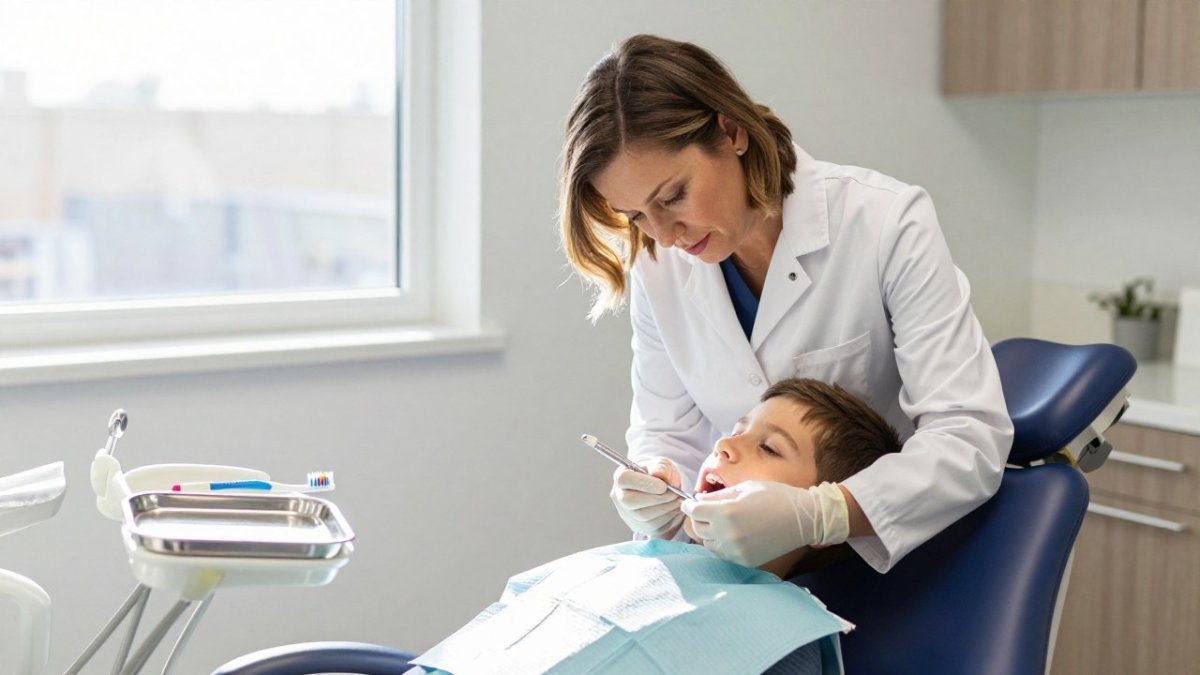
 Ultimate guide
7 Benefits of Comprehensive Dental Care Practices
Last Updated: November 1, 2026
Quick Summary
Comprehensive dental care combines preventive checkups, early diagnosis, restorative treatment, and cosmetic work under one practice, with a single dentist tracking your history over time. That continuous record helps catch problems early and lets one dentist sequence treatments so later work does not have to be redone.
- A comprehensive practice handles routine checkups, cleanings, fluoride, fillings, crowns, bridges, dentures, and cosmetic dentistry, plus specialist referrals.
- Combining treatments into fewer visits can save time, though extensive work in one sitting can be harder on anxious patients.
- Periodontal disease is chronic and needs monitoring, so comprehensive care can build periodontal maintenance into the recall schedule.
- Comprehensive describes an approach, not a discount; total costs still depend on your needs and what your plan covers.
- Ask which services are handled in-house and which get referred out, since a practice that refers everything beyond cleanings is not comprehensive.
Table of Contents
- What Comprehensive Dental Care Includes
- 7 Benefits of Comprehensive Dental Care Practices
- The Benefits of Preventive Dental Care for Long-Term Oral Health
- Early Detection, Diagnosis, and Personalized Treatment Planning
- Choosing a Dentist for Comprehensive Care: What to Ask
- Insurance, Out-of-Pocket Costs, and Payment Options
- Care Pathways by Age and Life Stage
- Request Your First Comprehensive Dental Appointment
- Frequently Asked Questions
What Comprehensive Dental Care Includes
Comprehensive dental care is a coordinated approach to oral health that combines preventive checkups, early diagnosis, restorative treatment, and cosmetic work under one practice, with a single dentist tracking your history over time.
The scope is broader than a cleaning twice a year. The American Dental Association's guidance on dental visit frequency describes regular visits as the foundation of disease prevention, and that framing matches how we plan treatment.
Preventive Services and Routine Checkups
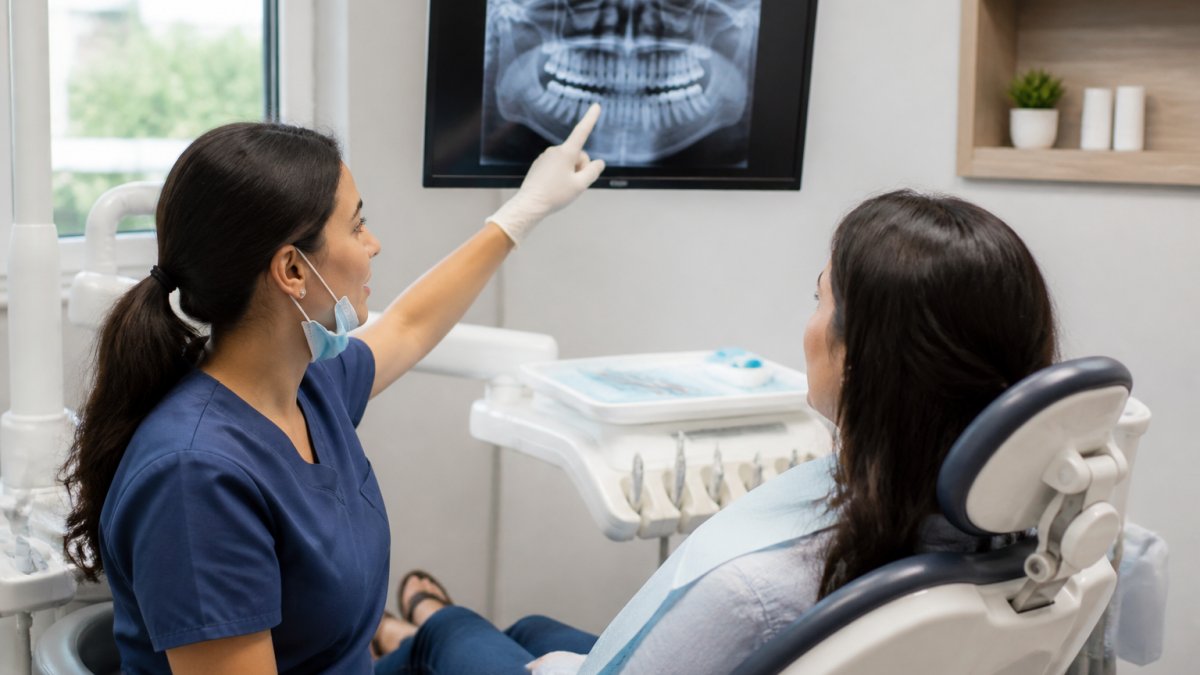
Preventive dentistry is the part of comprehensive care that costs the least and does the most. Routine dental checkups generally include an exam and professional cleaning. Professional cleaning removes plaque and tartar that brushing cannot reach, and fluoride applications can help strengthen enamel for patients at higher risk of tooth decay.
Restorative and Cosmetic Treatment Under One Roof
Restorative dentistry repairs damage, such as fillings for cavities and crowns for cracked teeth. Cosmetic dentistry addresses appearance. Having one provider for multiple treatments can mean you do not have to restart the conversation each time a treatment changes.
7 Benefits of Comprehensive Dental Care Practices
The benefits of comprehensive dental care practices generally come down to continuity: one record and a plan that accounts for your whole mouth rather than one tooth at a time. Each benefit below includes the mechanism behind it and the limit you should know.
-
Earlier detection, because the record compounds. Over years of visits, a dental record can show whether a change in gum measurements is a trend rather than a one-off reading. The mechanism is longitudinal data: probing depths, bite changes, and cavity history compared visit to visit. The limit: ask whether the practice uses radiographs and periodontal charting on a schedule rather than only when you report pain.
-
Coordinated treatment planning, sequencing instead of stacking. When one dentist plans several treatments, the sequence can be set so later work does not have to be redone. Coordinating treatment usually takes a planning appointment.
-
Fewer appointments, but not fewer visits than you need. Combining treatments into fewer visits can save time, as Sheila B. noted about her care with us: "The amount of treatments performed at once eliminated multiple visits, which saves me time." Extensive work in one sitting can be harder on anxious patients, so the timing of treatment is worth discussing with your dentist.
-
Continuity of care, the history that changes the recommendation. A dentist who knows your history can tailor recommendations to your situation. Ask any practice how long its hygienists and associates tend to stay, since continuity depends on staffing stability.
-
Better gum health, monitoring a chronic condition. Periodontal disease is chronic and needs monitoring, not a one-time fix (the CDC). Comprehensive care can build periodontal maintenance into the recall schedule. The limit: gum health still depends mostly on what happens between visits.
-
Cost-effective care over time, with honest caveats. Prevention and timely treatment can often cost less than emergency repair, because simpler treatments are generally less involved than extensive ones. The limit: "comprehensive" describes an approach, not a discount. Total costs still depend on what your mouth needs and what your plan covers.
-
A single point of contact, for the non-clinical work too. Questions about insurance, referrals, or a sudden toothache can be directed to one office that already has your chart. The limit: test response time before you commit.
Here are the seven benefits the article lists, each with the mechanism behind it and the limit to check.
| Benefit | Mechanism | Limit to know |
|---|---|---|
| Earlier detection | Longitudinal record compares probing depths and cavity history | Ask if radiographs and periodontal charting are on a schedule |
| Coordinated treatment planning | One dentist sequences treatments so later work is not redone | Coordinating treatment usually takes a planning appointment |
| Fewer appointments | Combining treatments into fewer visits can save time | Extensive work in one sitting can be harder on anxious patients |
| Continuity of care | A dentist who knows your history tailors recommendations | Continuity depends on staffing stability |
| Better gum health | Periodontal maintenance built into the recall schedule | Gum health depends mostly on what happens between visits |
| Cost-effective care over time | Prevention and timely treatment can cost less than emergency repair | Comprehensive describes an approach, not a discount |
| A single point of contact | One office with your chart handles insurance and referrals | Test response time before you commit |
The Benefits of Preventive Dental Care for Long-Term Oral Health
Preventive dental care protects long-term oral health by interrupting disease before it causes structural damage. Tooth decay and periodontal disease both progress quietly; by the time symptoms appear, treatment is usually more involved.
The benefits of preventive dental care compound. Every routine visit adds a data point to your record, gum measurements, cavity history, bite changes, letting a dentist spot patterns, such as recession that keeps worsening in one area, and adjust the plan before it becomes a restorative case.
A Sample Prevention and Follow-Up Schedule
Visit frequency should be set by risk, not by a fixed calendar. The schedule below is a general starting point; a dentist adjusts it after assessing your individual risk, periodontal status, and home care.
- Every 6 months (low risk): visual exam, periodontal screening with pocket depths, professional cleaning, fluoride varnish if indicated, and a review of home care. Radiographs on the interval your dentist recommends based on age and history.
- Every 3-4 months (elevated risk): the same exam and cleaning plus periodontal maintenance if you have a history of gum disease, more frequent fluoride, and a written home-care plan reviewed at each visit.
- Annually: a fuller review, bite and wear assessment, medication review (since dry mouth from common prescriptions raises cavity risk), and a check that any restorations, crowns, or implants are holding up.
What the Evidence Supports, and What It Does Not
Prevention has well-established oral-health benefits: regular professional cleaning and screening reduce the burden of gum disease and catch decay earlier, and fluoride strengthens enamel in patients at higher risk. Those are the claims to rely on when you decide how often to go.
The connection between oral health and whole-body health is real but often overstated. Research has found associations between periodontal disease and conditions such as diabetes and cardiovascular disease, but association is not the same as causation, and the evidence that treating gum disease directly improves those conditions is mixed.
Be skeptical of prevention marketing that promises whole-body transformation. The defensible case for preventive care is strong on its own: healthier teeth and gums, fewer emergencies, and less extensive treatment over time. You do not need to overstate it.
Early Detection, Diagnosis, and Personalized Treatment Planning
Early diagnosis can mean the difference between a small filling and more extensive treatment. Routine dental visits generally include visual inspection and probing for gum pockets, with imaging where indicated.
What most guides miss is that a good treatment plan is a negotiation, not a menu. A patient with dental anxiety may need a different sequence than someone who wants everything done in two visits.
Choosing a Dentist for Comprehensive Care: What to Ask
Choosing a dentist for comprehensive care means checking whether the practice can actually deliver continuity, not just whether it offers many services.
- Which services are handled in-house, and which get referred out? A practice that refers everything beyond cleanings is not comprehensive.
- Who will see me at each visit? Consistent staffing matters for continuity of care.
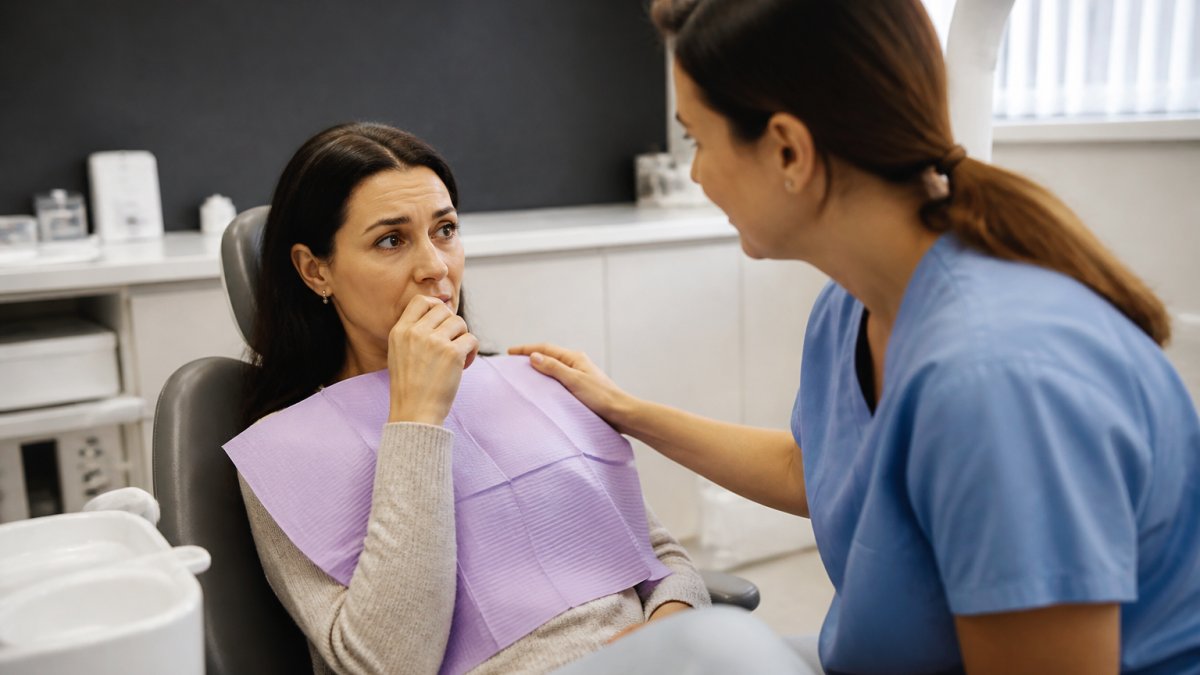
- How do you handle anxious patients? Ask what comfort options exist and how the team adapts.
For a structured version of this evaluation, see a checklist of what to verify when picking a new dentist.
Credentials are worth verifying too. A dentist's license should be current, and you can check standing through your state dental board. Dr.
Insurance, Out-of-Pocket Costs, and Payment Options
Treatment costs vary widely by procedure and by what your plan covers, so no honest practice quotes a single number before an exam.
Many dental insurance plans cover preventive services at a higher rate than restorative work, and many have annual maximums that reset each year. You can also read how to find a family dentist that accepts insurance.
If you are uninsured, ask for an estimate in writing before treatment begins. For realistic expectations, see dental checkup costs without insurance in Texas.
Annual maximums and waiting periods can catch people off guard. If you have unused benefits late in the year, check with your insurer about how they reset.
Care Pathways by Age and Life Stage
Care needs shift with age, and a comprehensive practice adjusts the schedule accordingly.
Children need early habits, fluoride, sealants where indicated, and a gentle introduction to the chair.
Adults tend to see wear and tear accumulate: cracked fillings, gum recession, and the beginning of periodontal disease.
Older adults often need restorative work, dentures or implants, and medication reviews, since dry mouth from common prescriptions raises cavity risk.
At every stage, the same principle applies: individual needs drive the plan.
Request Your First Comprehensive Dental Appointment
The hardest part of switching dentists is usually the first phone call, especially if past experiences left you wary.
If you are new to the area, our guide to setting up comprehensive dental care as a new resident covers what to gather before your first visit. When you are ready to act, these step-by-step instructions for booking a routine dental checkup take you from first call to confirmed appointment.
At Franklin Dental Center, we focus on comprehensive, personalized care. Our approach focuses on a gentle, comfort-minded manner, and we aim for efficient multi-treatment appointments that can save you trips.
Get started with Franklin Dental Center and request your first appointment.
Frequently Asked Questions
What are the benefits of comprehensive dental care?
Comprehensive dental care brings prevention, early diagnosis, restorative work, and cosmetic treatment together in one practice. That means fewer separate appointments, a consistent record of your oral health, and a dentist who can spot problems before they become expensive. Coordinated care also makes it easier to plan treatment around your budget and schedule, and it keeps gum health, cavities, and tooth decay from being treated in isolation.
What does comprehensive dental care include that a regular checkup does not?
A routine checkup usually covers an exam, professional cleaning, and X-rays. Comprehensive dental care adds risk assessment, a personalized treatment plan, and access to restorative and cosmetic services in the same office. It also includes ongoing maintenance, referrals to specialists when needed, and a documented history your dentist can use to track changes in your gum health and teeth over time.
How often should I visit the dentist for routine care?
Most adults benefit from a checkup and professional cleaning every six months, but your dentist may recommend a different schedule based on your gum health, cavity history, and risk factors. Patients with periodontal disease or a history of tooth decay may need more frequent visits. Ask your dentist to explain the reasoning behind your recall interval so the schedule matches your individual needs rather than a default.
How do I choose a dentist for comprehensive care?
Look for a practice that offers preventive, restorative, and cosmetic dentistry under one roof, and ask how it handles referrals when a specialist is needed. Confirm which insurance plans it accepts, how it explains treatment costs before work begins, and whether it has experience with anxious patients or children. Reading reviews and asking about the dentist's credentials and continuing education will tell you whether the practice fits your family's needs.