 Ultimate guide
Are Family Dental Checkups Worth It?
Last Updated: November 8, 2026
Quick Summary
Yes, for most families, family dental checkups are worth it because they are generally among the least expensive dental visits and reliably catch decay and gum inflammation early, when treatment is simple and inexpensive. They do not guarantee you will never get a cavity, but they shift the odds in your favor.
- A standard checkup includes a professional cleaning, a comprehensive exam, and imaging when due.
- X-rays, fluoride for adults, sealants, and deep cleaning are typically billed separately from the routine visit.
- Twice a year is a reasonable starting point, but the right interval depends on your risk profile.
- Elevated-risk patients with gum inflammation or dry mouth may need visits every three to four months.
- Ask your dentist to state your risk level and explain the recall interval they recommend.
Table of Contents
- Are Family Dental Checkups Worth It? The Short Answer
- What to Expect During a Family Dental Checkup
- The Cost of Family Dental Checkups and What Drives It
- How Often Should You Get a Dental Checkup?
- What Routine Checkups Can and Cannot Do
- Questions to Ask at a Dental Checkup
- Insurance, Affordability, and Access for Families
- Requesting Your Family's First Checkup
- Frequently Asked Questions
Are Family Dental Checkups Worth It? The Short Answer
Yes, for most families, routine dental visits are worth it. A family dental checkup is generally one of the least expensive dental visits a family will make, and it is one of the most reliable ways to catch problems while they are still small.
Here is the honest version. Checkups are not magic. They do not guarantee you will never get a cavity, and they cannot undo years of skipped flossing. What they do is shift the odds.
What to Expect During a Family Dental Checkup
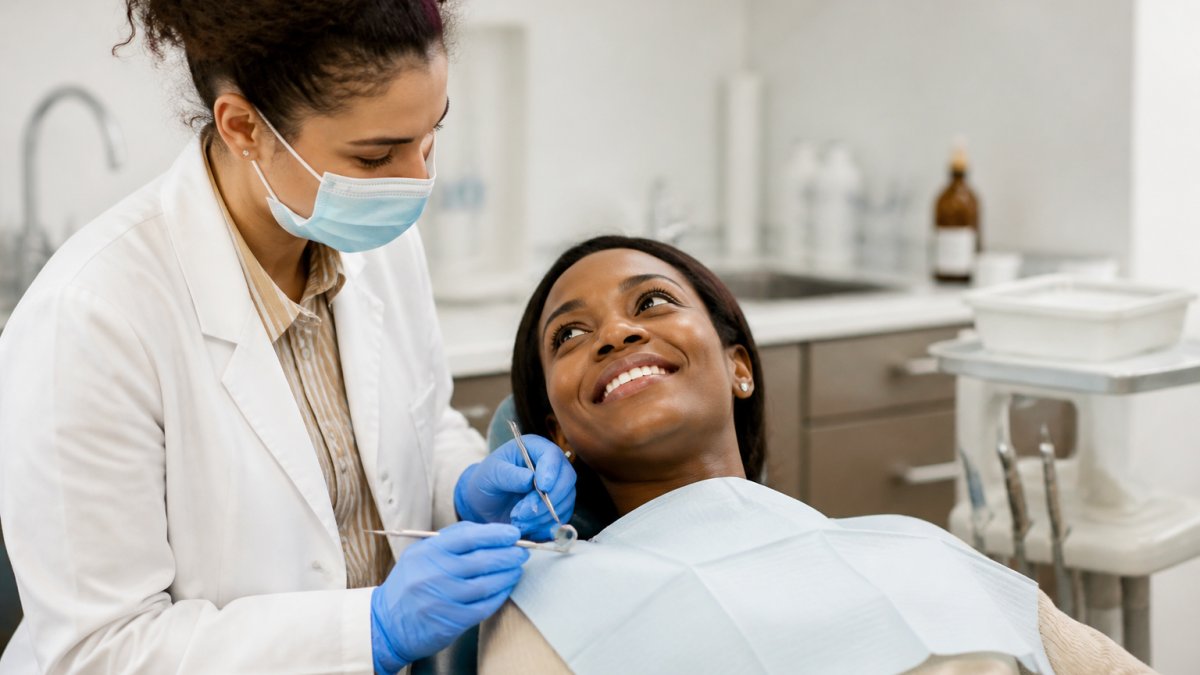
A standard family dental checkup has three parts: a professional cleaning, a comprehensive exam, and imaging when it is due. Appointment length varies, and children's visits are often shorter.

The first visit at a new office often takes longer because of paperwork and a medical history review. Bring a list of medications, past dental work, and any anxiety concerns so the team can plan around them.
The Exam, the Cleaning, and the X-Rays
The dental exam is where the dentist checks each tooth for decay, reviews existing fillings and crowns, and probes the gums for inflammation and pocket depth. This is the early detection step, and it is the reason the visit matters more than the polish.
The professional cleaning removes plaque and tartar above and below the gumline, then finishes with flossing and a fluoride application where appropriate. Dental X-rays are not taken at every visit.
What a Checkup Includes and What May Cost Extra
A routine visit typically covers the exam, the cleaning, and basic preventive care. Several common items are billed separately, and patients are often surprised by them:
- Dental X-rays when a new set is due
- Fluoride treatment for adults, which is sometimes a children's benefit only
- Dental sealants for back teeth
Ask for a treatment plan with codes before anything beyond the standard visit is scheduled, so you know what to expect.
The Cost of Family Dental Checkups and What Drives It
Whether checkups are worth it depends in part on cost, so here is how the money generally works.
A routine exam and cleaning is generally among the least expensive procedures a dental office performs. Restorative work is typically where costs climb: fillings, crowns, root canals, and extractions generally cost more than a preventive visit, and costs can rise further with additional procedures.
What the Standard Visit Covers
A typical checkup bundles three things: the periodic exam, the prophylaxis (routine cleaning), and any preventive counseling. When those are billed together as a preventive visit, that is the number to ask for. Everything else is a separate line item.
What Is Usually Billed Separately
- Dental X-rays, bitewings, a full-mouth series, or a panoramic image, each with its own code and its own interval
- Fluoride varnish, often covered for children and frequently an out-of-pocket add-on for adults
- Sealants, priced per tooth, usually on permanent molars
Ask the front desk for a pre-treatment estimate with the procedure codes before anything beyond the standard visit is scheduled.
How Insurance Changes the Math
Most dental plans are built to reward prevention. Many dental plans cover preventive services such as exams and routine cleanings at a higher rate than restorative work, though coverage varies by plan. Plans also carry an annual maximum, a deductible that usually does not apply to preventive care, and a waiting period for major work on some plans. Before your visit, confirm your plan details with your insurer, including whether the office is in-network, your annual maximum, any deductible for the service you are booking, and your plan type.
When You Are Paying Yourself
Uninsured families are not stuck. Community health centers, dental schools, and sliding-scale clinics commonly offer exams and cleanings at reduced fees, and many private offices publish a self-pay rate or an in-house membership plan that bundles two cleanings, exams, and a set of X-rays for a flat annual fee. For a concrete look at out-of-pocket figures when you are paying yourself, see our breakdown of dental checkup costs without insurance in Texas.
A quote for "a cleaning" can refer to different procedures, so confirm which one your appointment is booked under before you arrive.
How Often Should You Get a Dental Checkup?
Twice a year is the familiar default, and for many healthy adults and children it is a reasonable starting point. But it is a convention, not a universal rule, and the honest version is that the right interval depends on your risk profile. A patient with no decay in a decade and healthy gums may do fine on a longer recall.
Why the Six-Month Default Exists
Six months is a practical rhythm: it is long enough that most low-risk patients do not accumulate much new plaque or decay between visits, and short enough that a small problem gets caught before it becomes a large one. It also lines up with how many plans structure their preventive benefits. Treat it as the baseline that most families start from, then adjust.
What Actually Moves Your Interval
A dentist setting a recall interval is weighing several factors at once:
- Cavity history, a recent filling or multiple cavities in the past few years raises risk
- Gum health, bleeding on probing, pocket depth, and a history of periodontal treatment
- Dry mouth, from medications, autoimmune conditions, or head and neck treatment, which removes saliva's protective effect
Matching Visit Frequency to Risk
| Risk profile | Suggested interval | Why |
|---|---|---|
| Low risk, no recent decay, healthy gums | Every 12 months | Fewer findings to monitor |
| Average risk, occasional cavities | Every 6 months | Standard preventive schedule |
| Elevated risk, gum inflammation, dry mouth | Every 3-4 months | Faster plaque and gum monitoring |
| Children with new molars erupting | Every 6 months | Sealant timing and decay checks |
| Overdue by several years | As soon as possible | Baseline exam and imaging first |
The Evidence and Its Limits
The case for routine checkups is strong on mechanism, early detection and professional plaque removal genuinely reduce the burden of disease, but the precise interval is less settled than the six-month slogan suggests. Clinical guidance generally supports individualizing recall based on risk rather than applying one schedule to every patient, and professional organizations have long emphasized that the evidence for a fixed twice-a-year interval in low-risk adults is limited.
A Practical Way to Set the Schedule
At your next visit, ask three questions: What is my risk level, and what specifically puts me there? What interval does that risk justify? And what would have to change for the interval to lengthen or shorten? Write the answers down and compare them at the following visit. For families, it also helps to align children's visits with the adults' where the office allows it, so one trip covers the household and nobody's recall quietly slips.
What Routine Checkups Can and Cannot Do
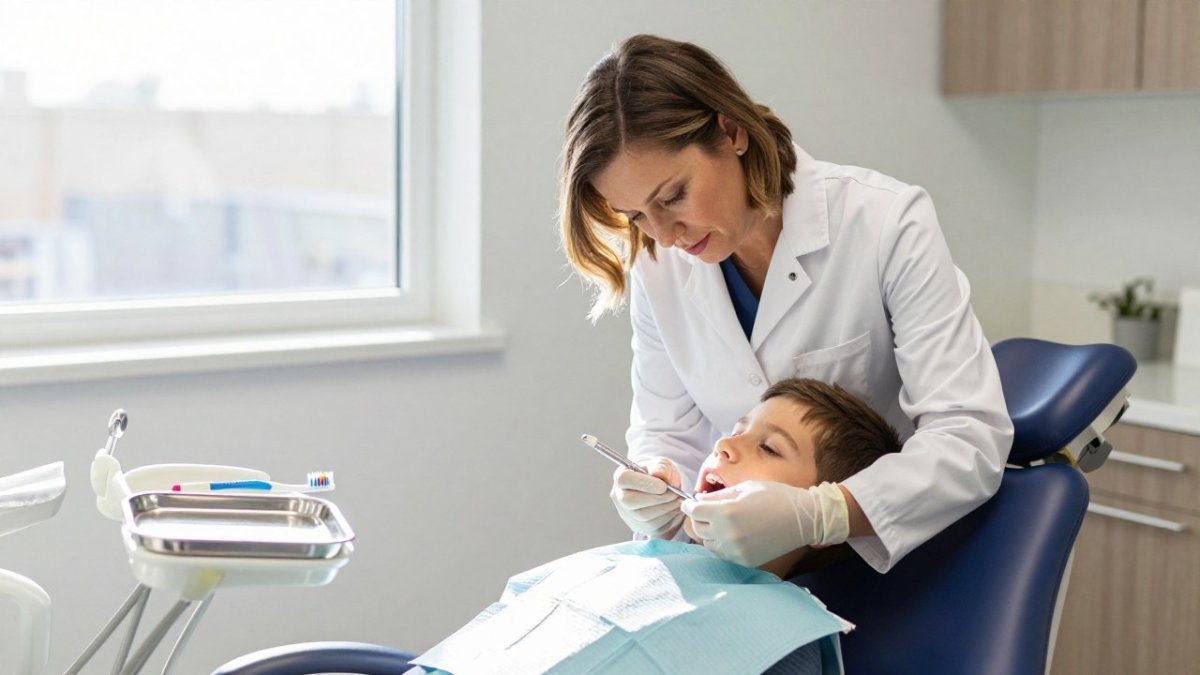
Routine visits can help catch tooth decay, gum disease, and worn restorations early. They are also a common place for oral health education, where hygienists may show a child where to improve their brushing.
They cannot do everything. A checkup will not prevent every cavity, and it does not replace daily oral hygiene at home. Some conditions, including hairline cracks and early nerve changes, may not show up on a single visit.
Questions to Ask at a Dental Checkup
The best visits end with you knowing more than when you walked in. These questions work for adults and for a child's appointment:
- What is my (or my child's) cavity risk, and why?
- Are my gums healthy, or is there gingivitis I should address?
- Which teeth are we watching, and what would you do if they change?
- What is included today, and what would be billed separately?
- When is the next X-ray due, and why then?
- What should we change at home before the next visit?
Write the answers down. Comparing notes between visits is how families spot patterns, especially with children's dental care.
Insurance, Affordability, and Access for Families
Many dental plans cover routine exams and cleanings at a higher rate than restorative work, which is the general logic of preventive care. Confirm three things before your visit: whether the office is in-network, what your plan allows per year, and whether children's dental care is covered under a separate plan.
Families often have more options than they realize. If you are unsure what your plan covers for your kids, our guide on whether dental insurance covers kids' cleanings walks through the details. Once you know your coverage, our article on how to find a family dentist that accepts insurance covers what to verify before you book.
Cost can be a concern for families. Ask about payment options and coverage for public programs before you assume you cannot afford care.
Requesting Your Family's First Checkup
If you are overdue, start with one appointment for yourself and one for each child, scheduled back to back if the office allows it.
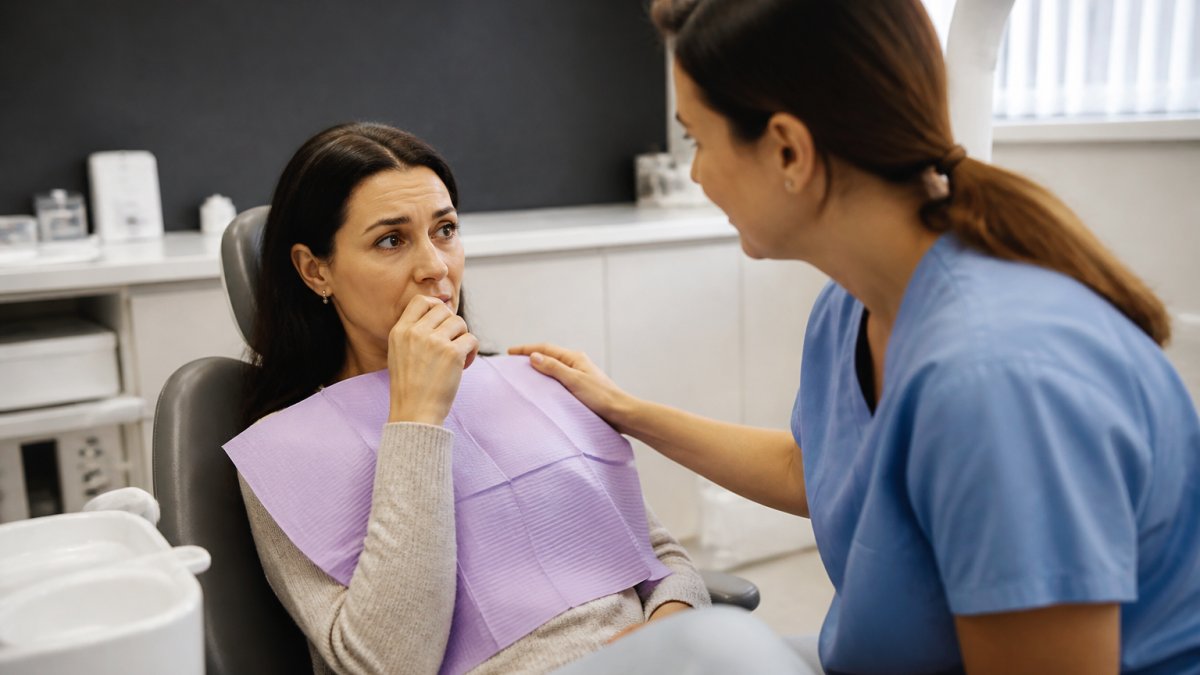
At Franklin Dental Center, we aim to provide comprehensive, personalized care with a focus on patient comfort and reducing dental anxiety. Dr.
If a nervous child is the sticking point, read our tips for taking an anxious child to the dentist before the appointment. When you are ready, our step-by-step guide shows you exactly how to book a routine dental checkup.
A family dental checkup is worth it because it is the least expensive, least painful version of dentistry available to you.
Frequently Asked Questions
Are family dental checkups worth the cost?
For most families, yes. A routine visit costs far less than the restorative work it is designed to catch early, such as fillings, crowns, or gum treatment. The value depends on your risk level: people with a history of cavities, gum disease, or certain health conditions get more from frequent visits. Ask your dentist for an itemized estimate before treatment so you can compare the preventive cost against the likely cost of waiting. Pricing varies by practice, so request current fees directly.
How long does a family dental checkup take?
Appointment length varies. Children's visits are often shorter than adult visits, and adding X-rays, a fluoride treatment, or a treatment plan discussion will lengthen the visit. Ask the office for an estimate of the time your visit will take. Booking family members back-to-back on the same day can cut the total time you spend traveling and waiting, which is one reason multi-patient appointments are common at family practices.
How often should children and adults get dental checkups?
Many dentists recommend a checkup every six months, but the right recall interval depends on your risk factors. Children with emerging teeth and a higher cavity risk may need closer monitoring. Adults with healthy teeth and gums may be fine at six months, while those with gum disease, dry mouth, or a history of decay may be advised to come more often. Ask your dentist to explain the reasoning behind your recommended schedule rather than assuming one interval fits everyone.
Can regular dental checkups help prevent expensive dental treatment?
Checkups support early detection, and early problems are usually cheaper to treat. A small cavity caught at a routine visit may need a simple filling, while the same decay left alone can reach the nerve and require a root canal and crown. Gum disease caught at the gingivitis stage can often be reversed with professional cleaning and better home care. Checkups do not guarantee you will avoid all treatment, but they shift the odds toward simpler, lower-cost care.
What are signs that a family member should see a dentist sooner?
Do not wait for the next scheduled visit if you notice bleeding gums that persist, a tooth that hurts when you bite down, sharp or lingering sensitivity to hot or cold, a visible chip or crack, swelling in the face or jaw, or a mouth sore that has not healed in two weeks. These can point to decay, infection, or gum inflammation that gets harder and more costly to treat the longer it goes unaddressed. Call the office and describe the symptom.